Chassis No.
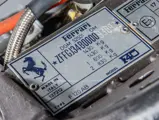
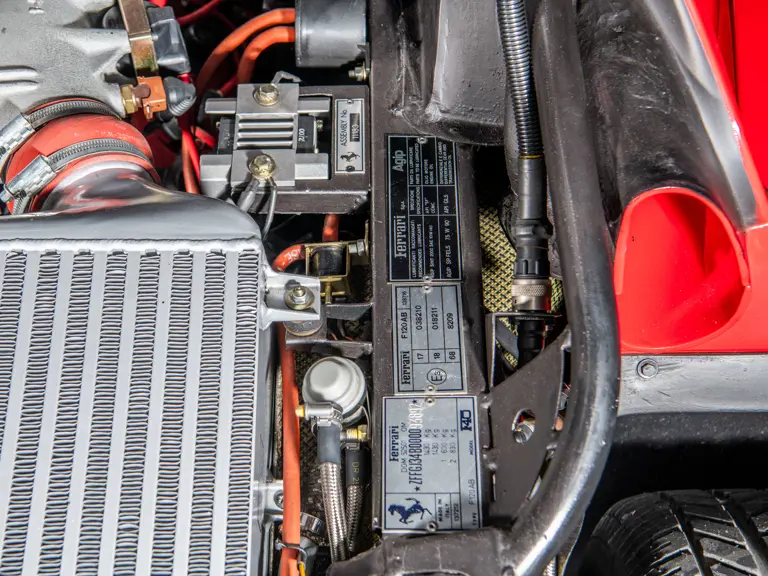
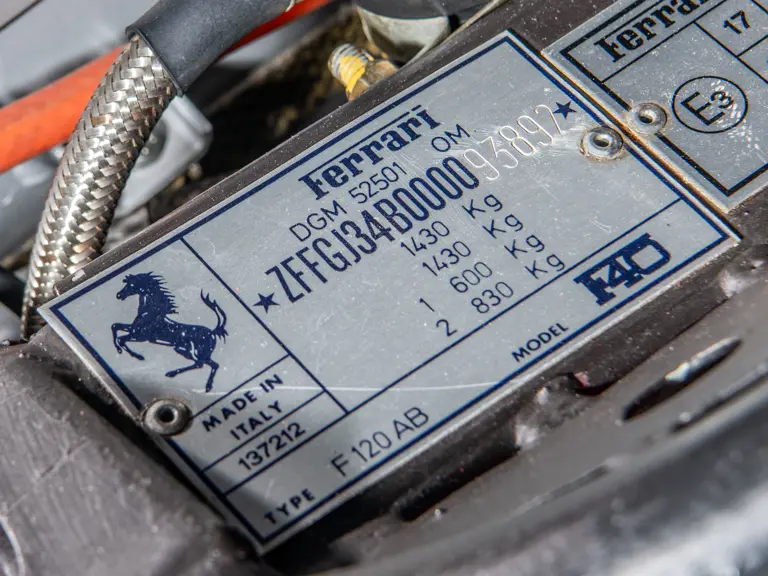
ZFFGJ34B000093892
$5,230,000 USD | Sold
{{bidding.lot.reserveStatusFormatted}}
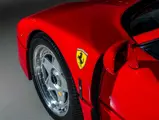
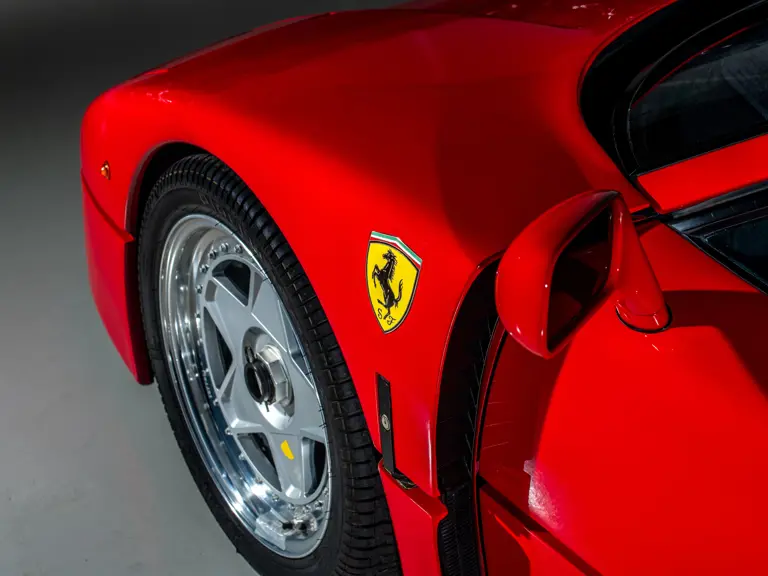
Few cars express themselves as clearly as the Ferrari F40. Arriving at the height of an era increasingly preoccupied with luxury and electronics, it was built with one purpose: to be the fastest, most uncompromising roadgoing Ferrari ever conceived. And, as fate would have it, it became the last Ferrari approved by Enzo Ferrari himself.
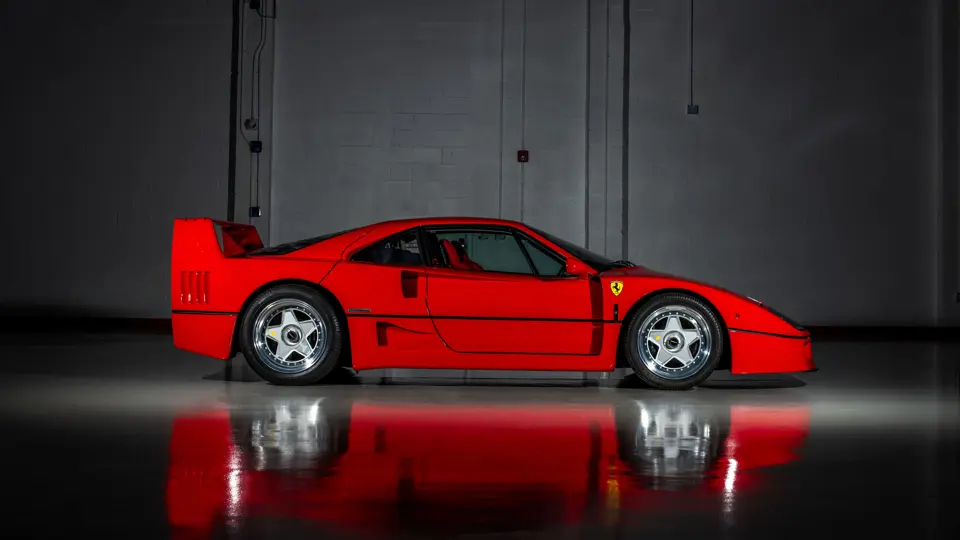
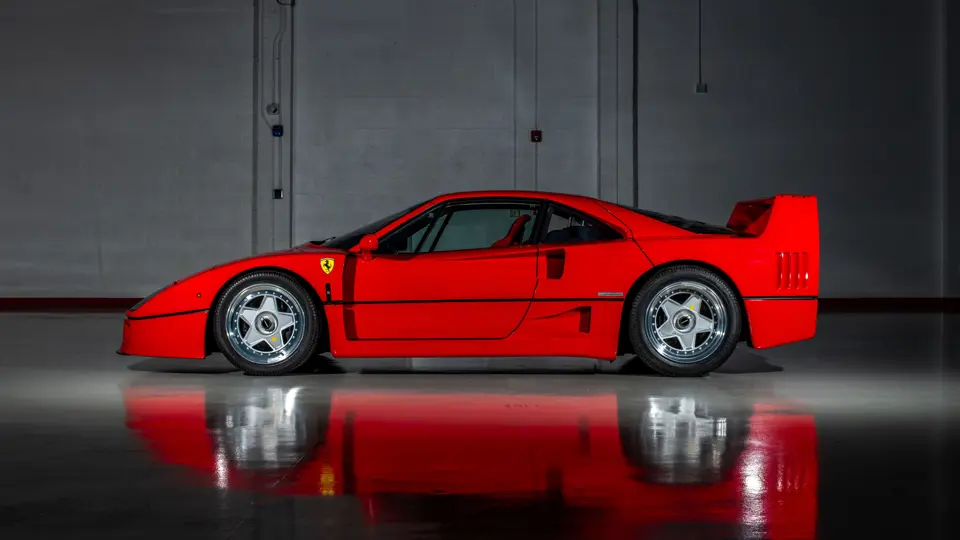
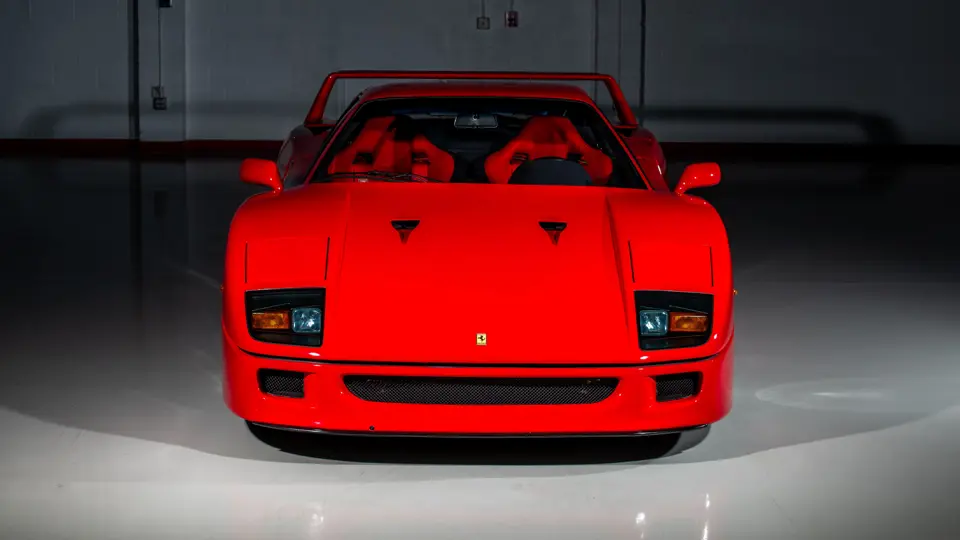
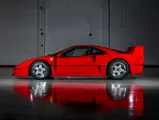
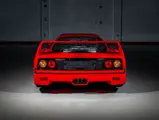
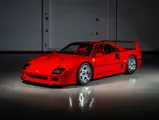
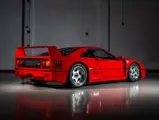
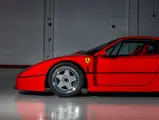
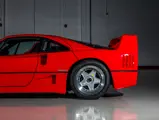
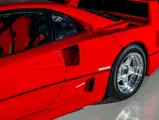
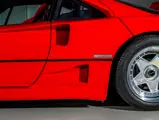
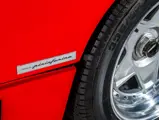
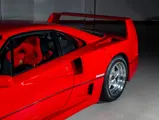
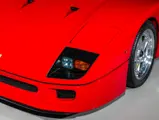
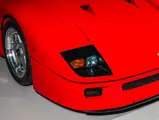
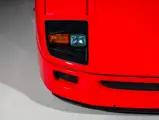
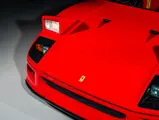
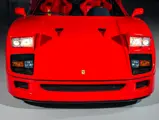
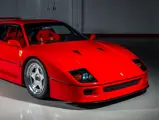
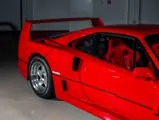
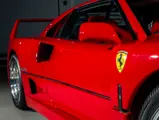
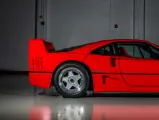
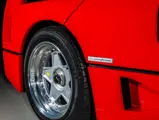
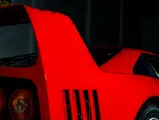
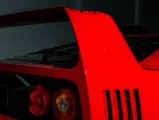
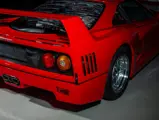
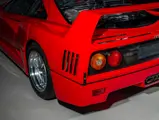
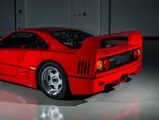
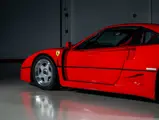
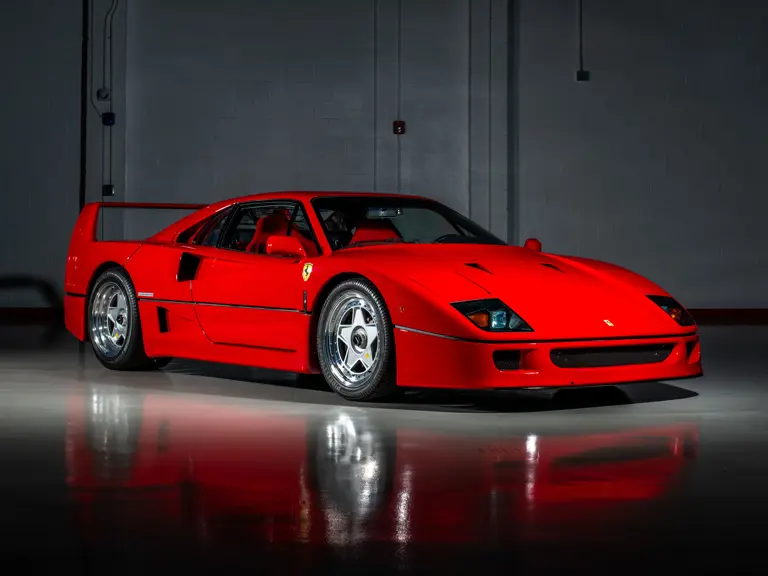
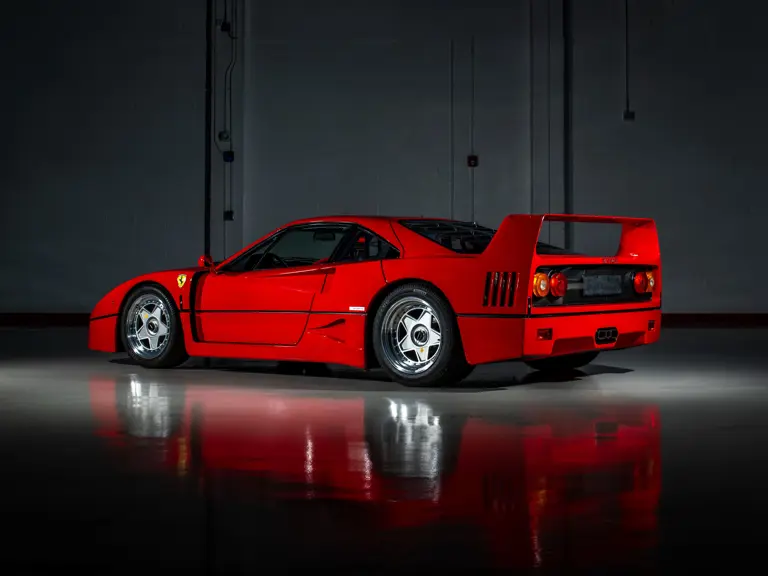
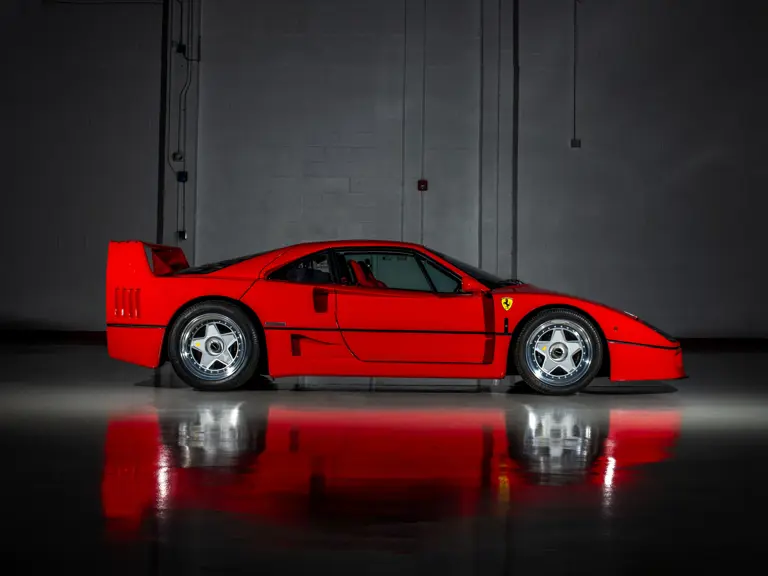
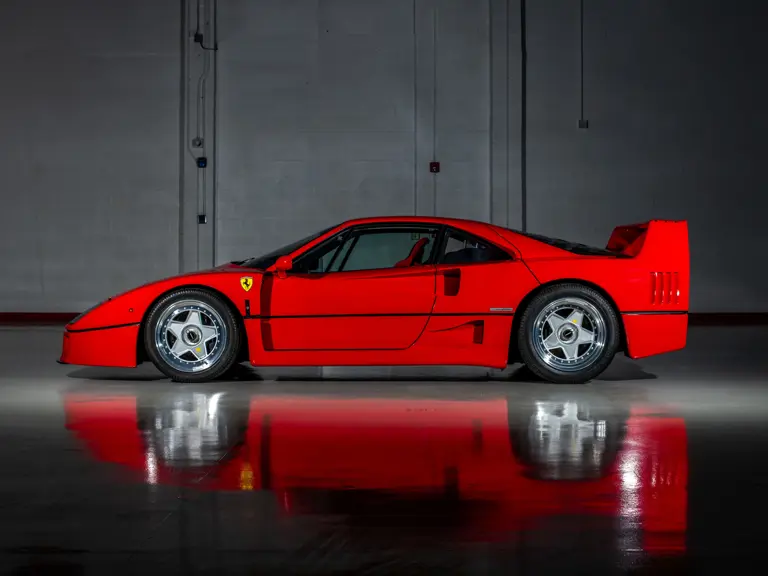
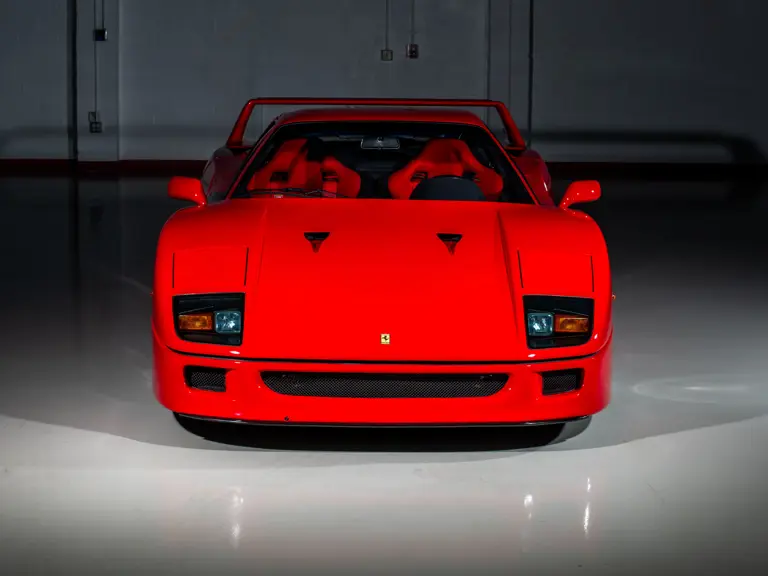
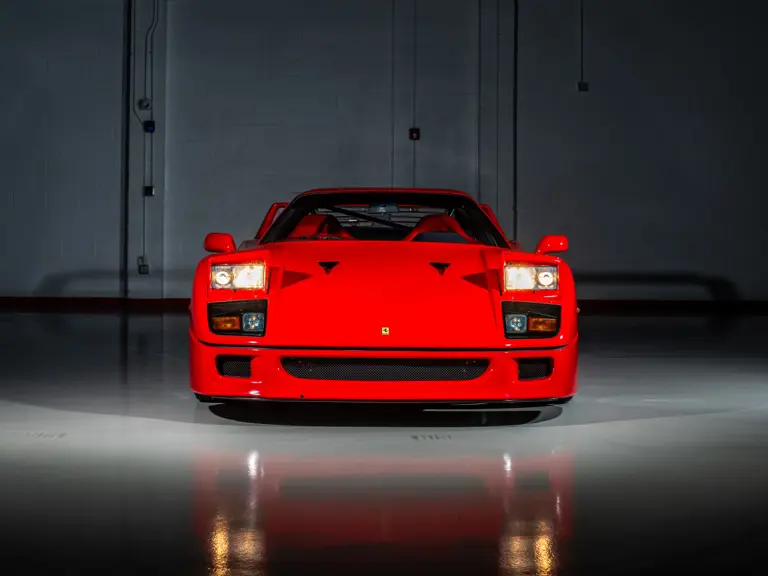
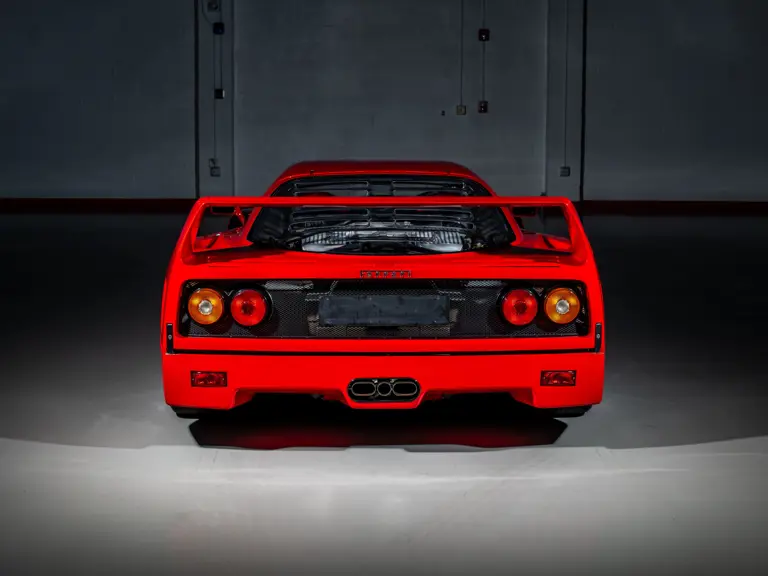
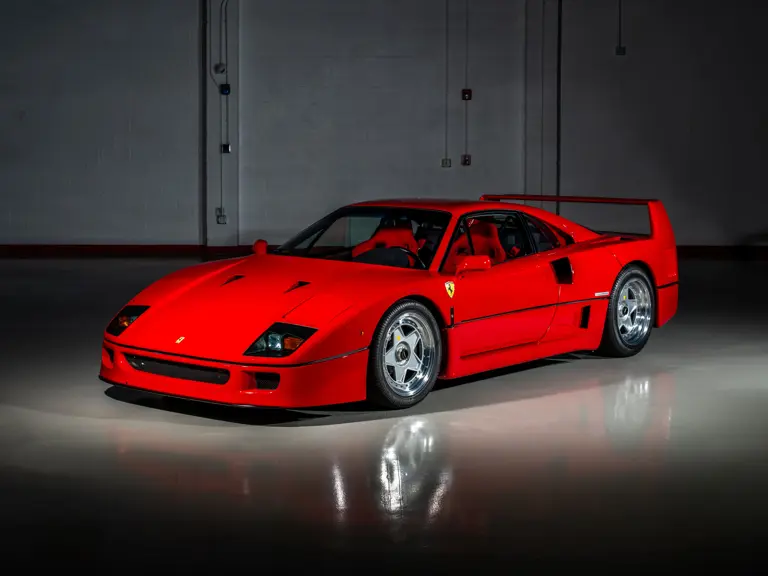
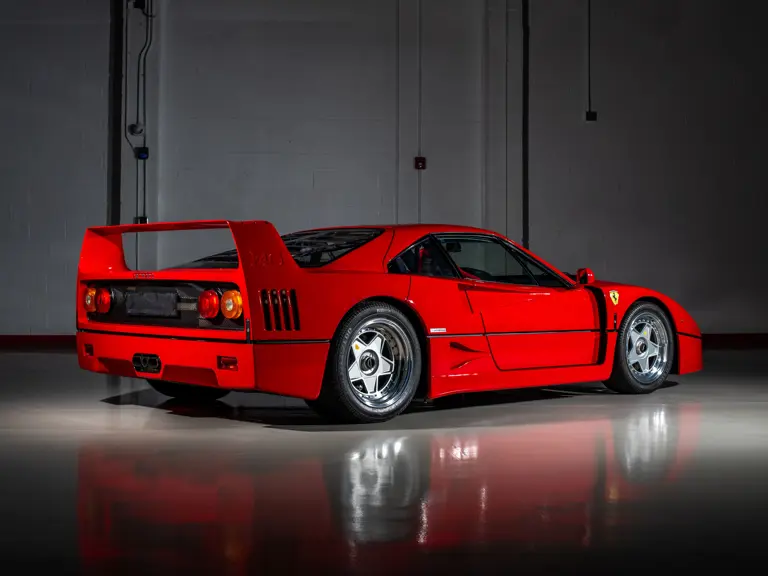
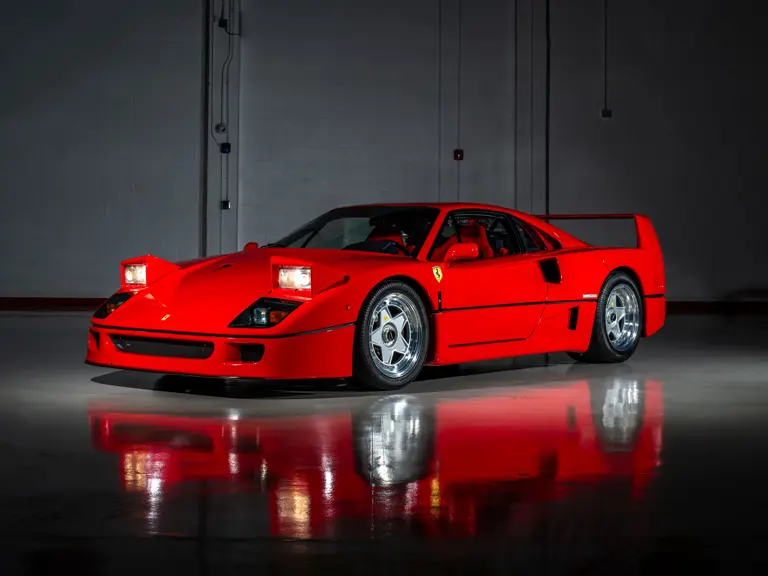
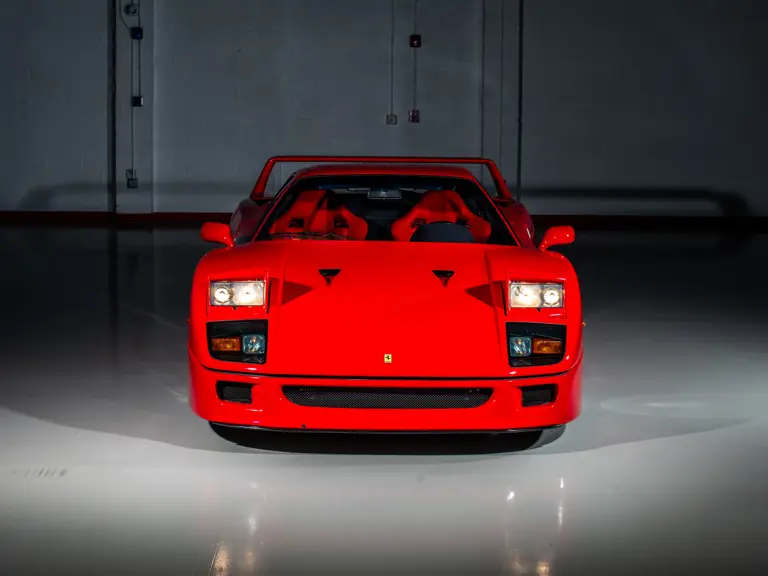
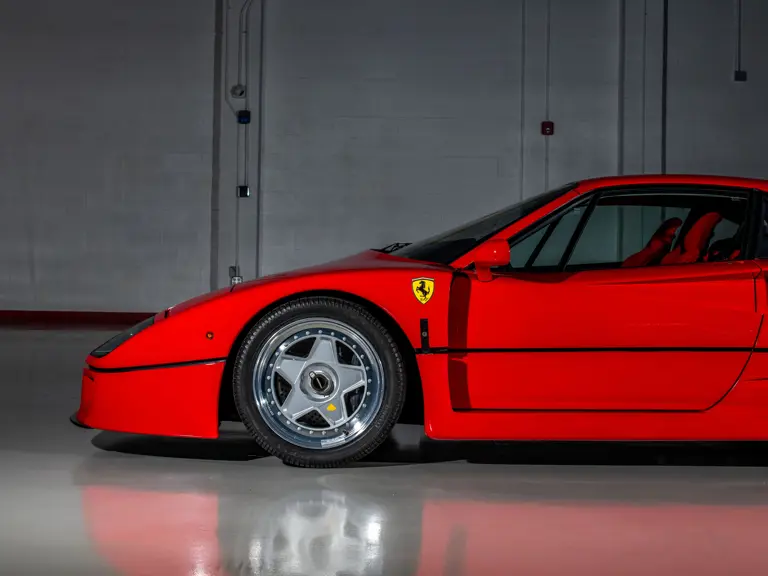
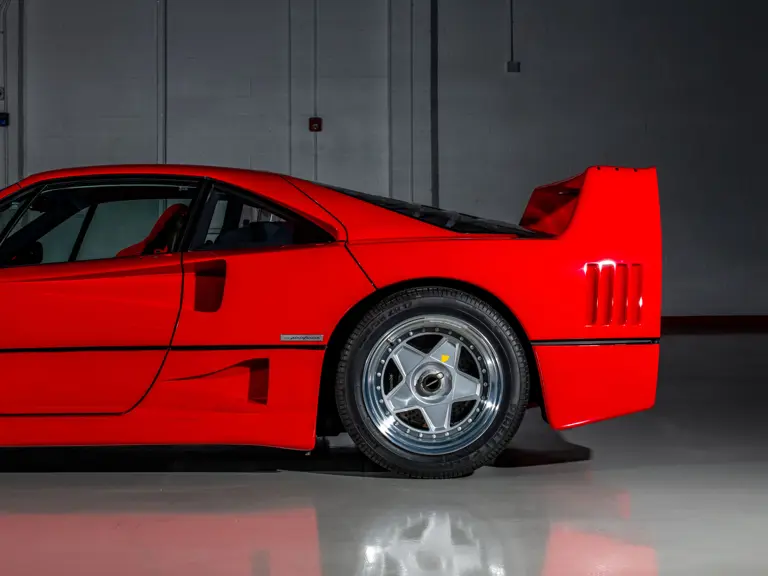
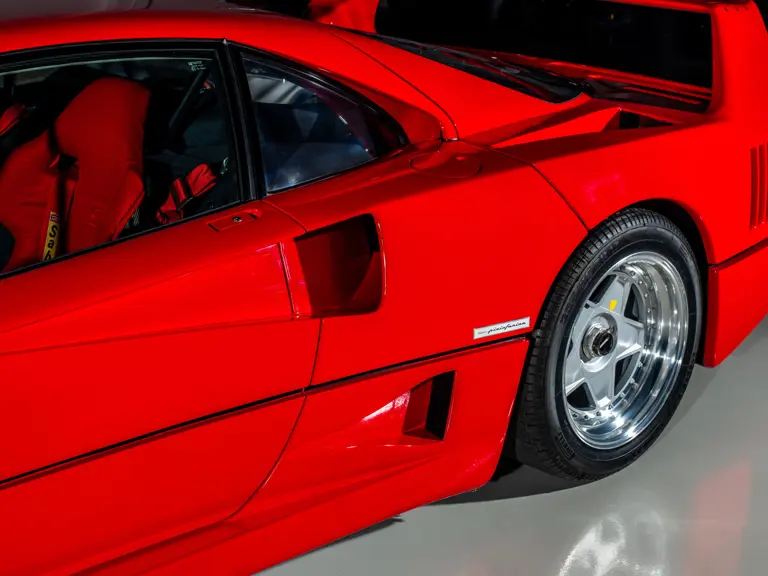
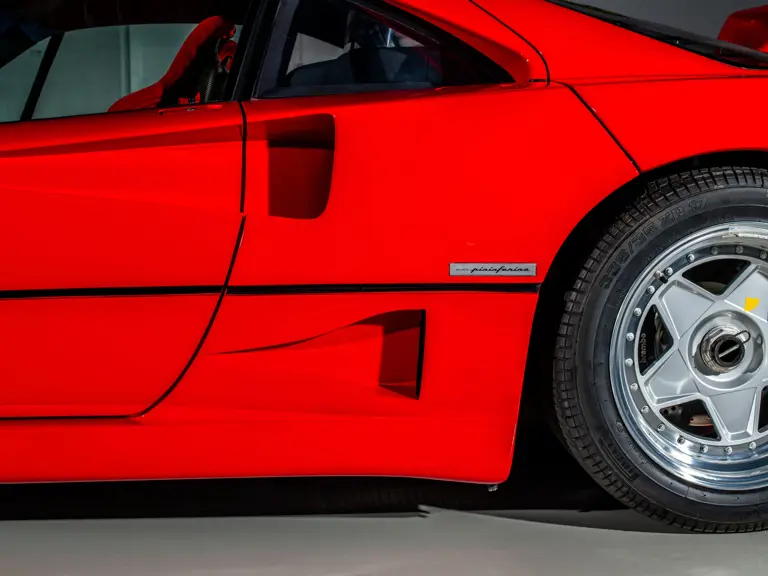
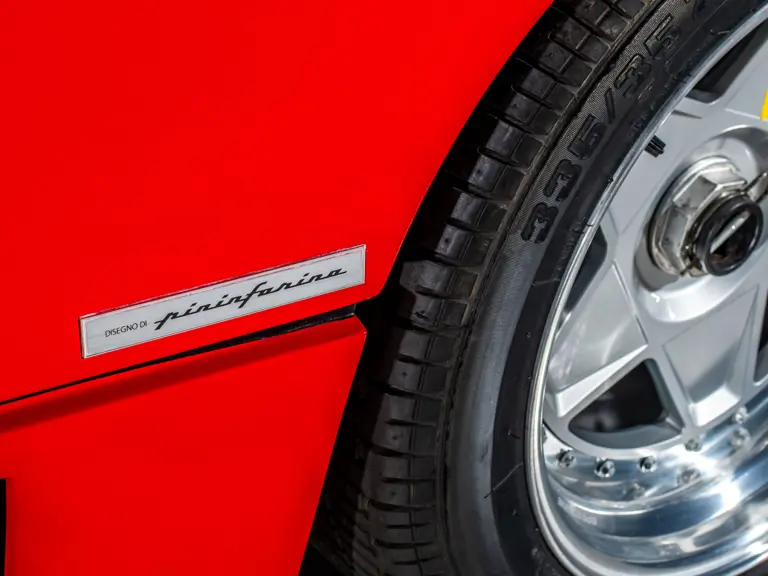
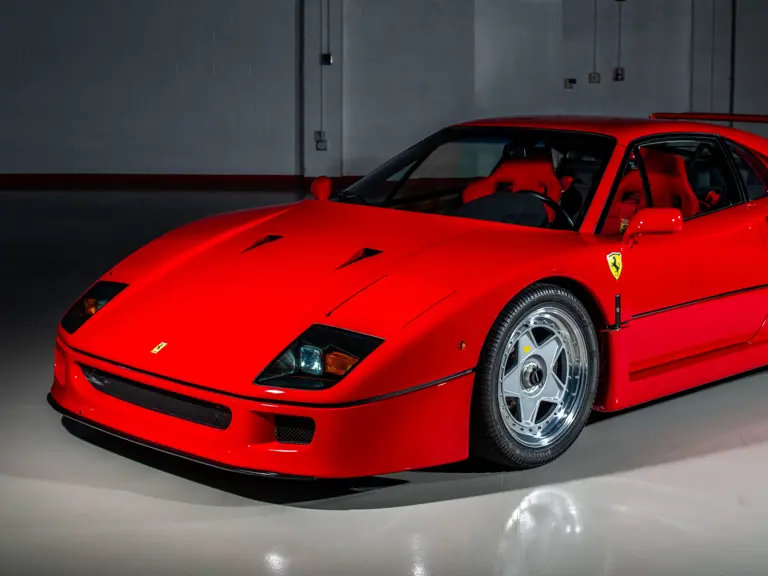
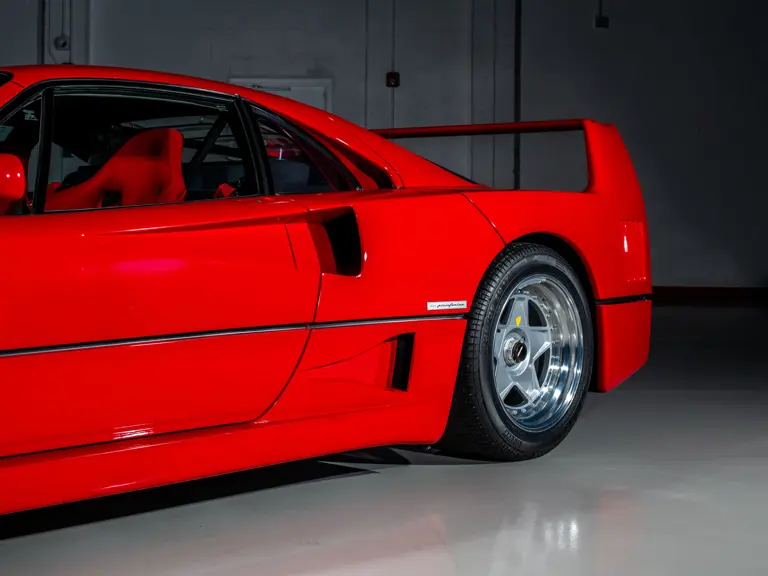
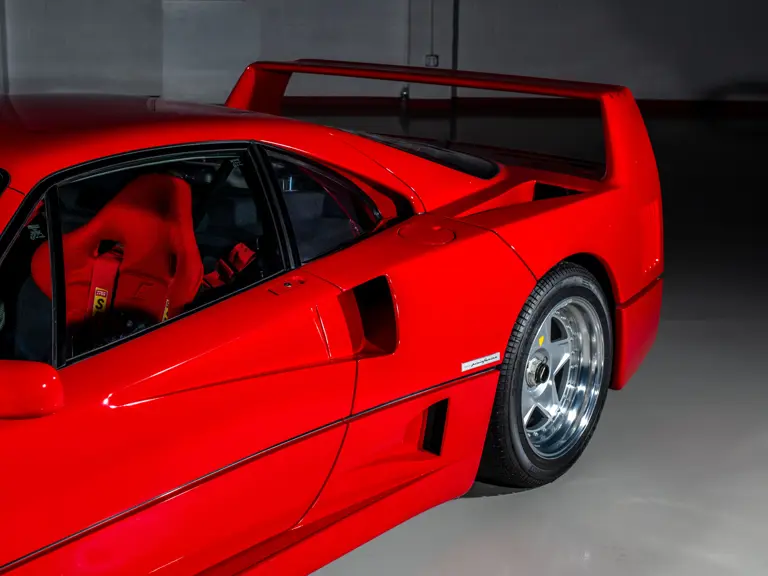
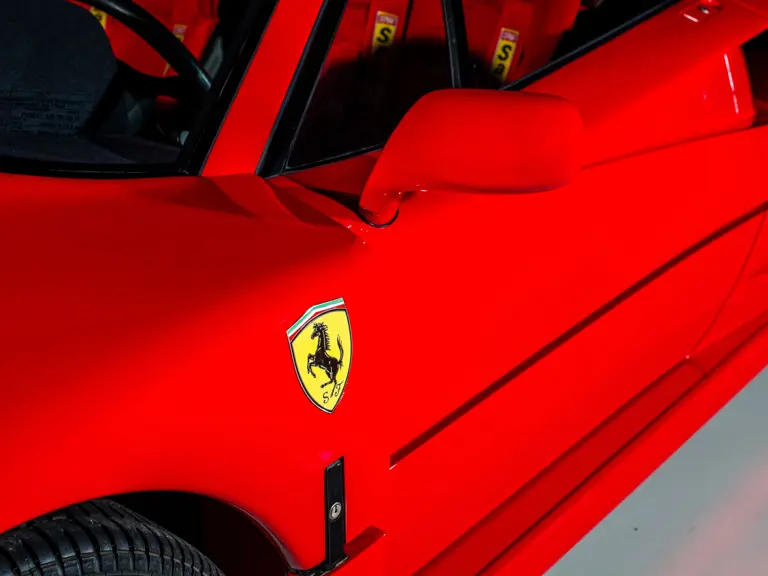
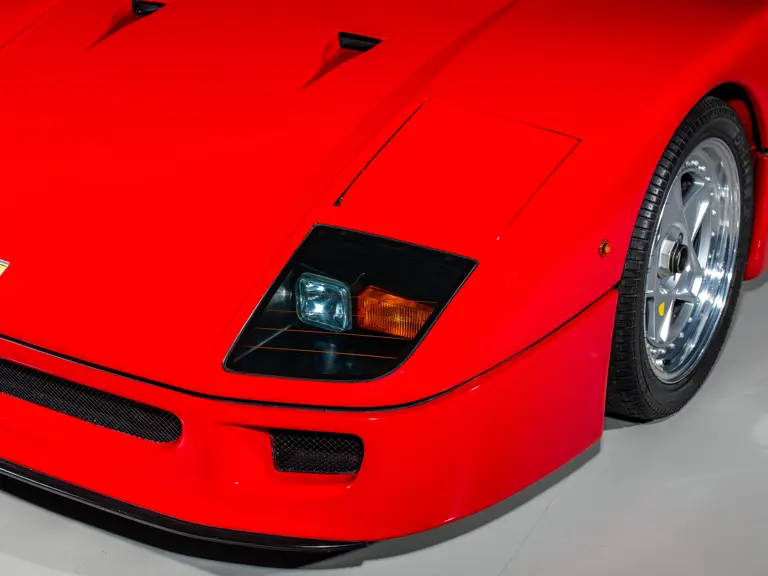
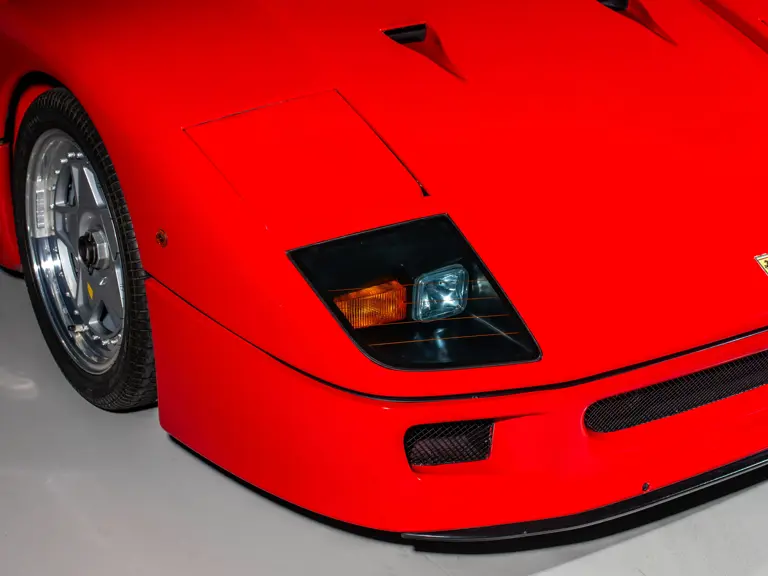
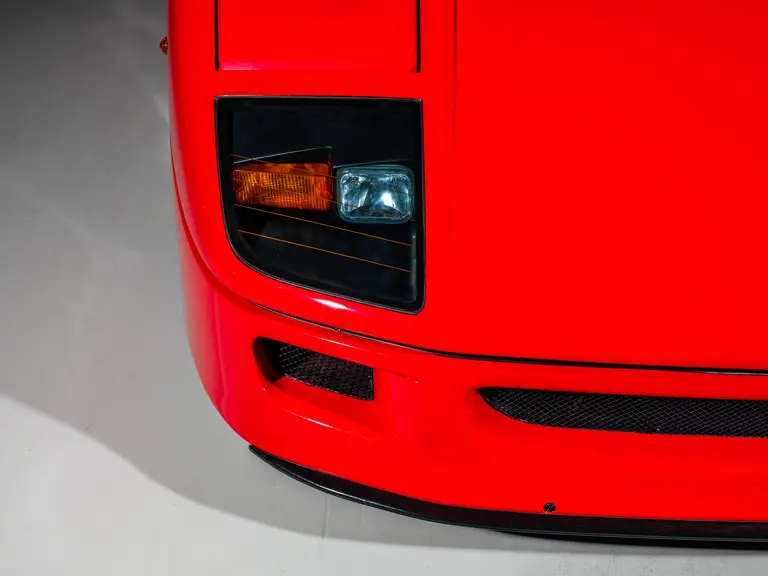
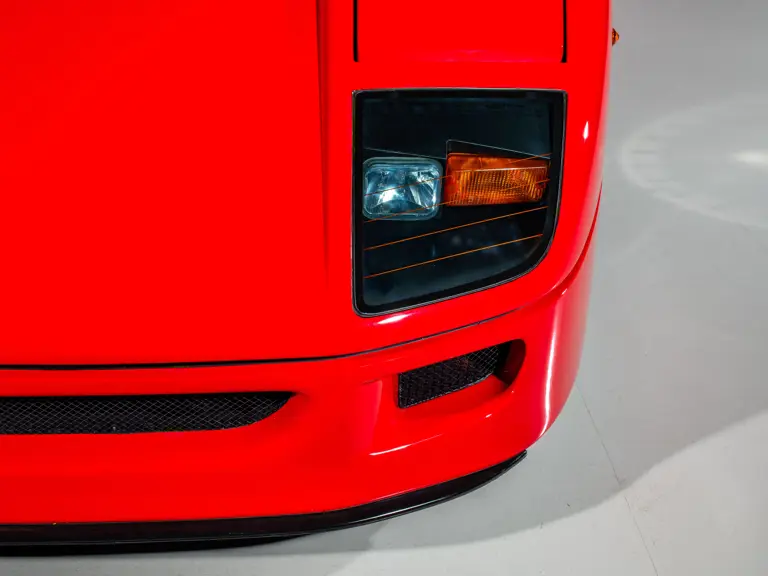
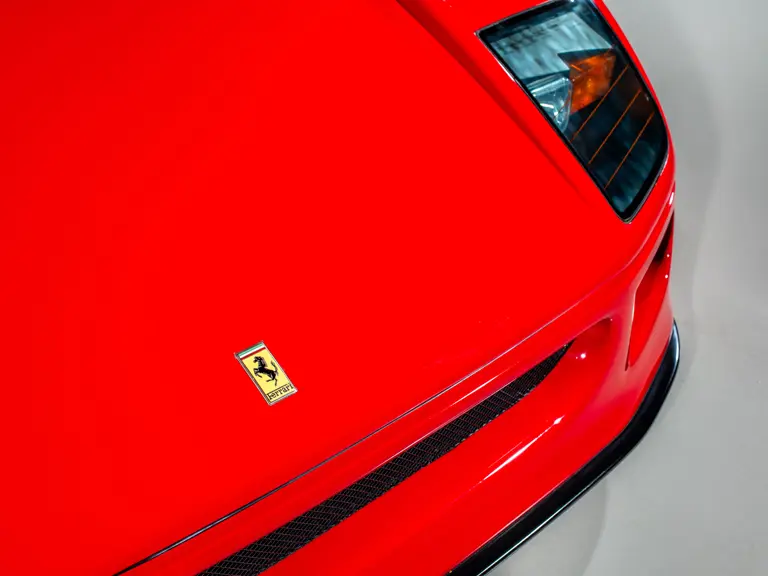
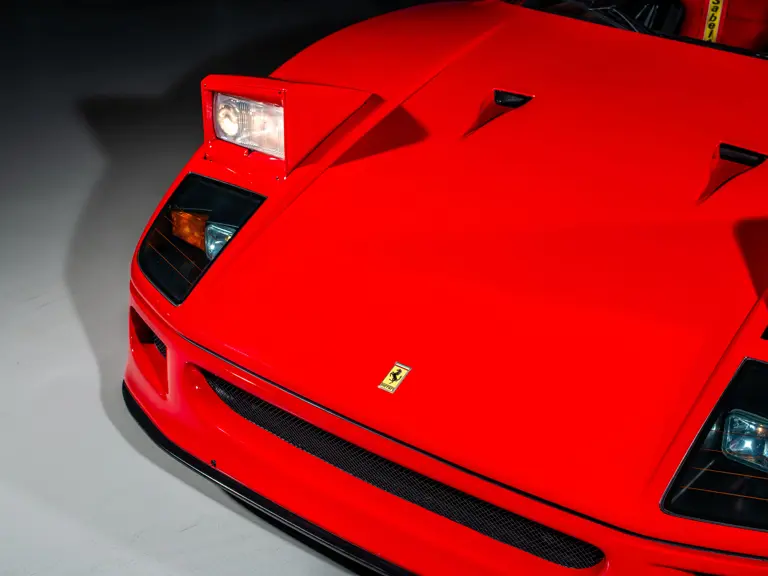
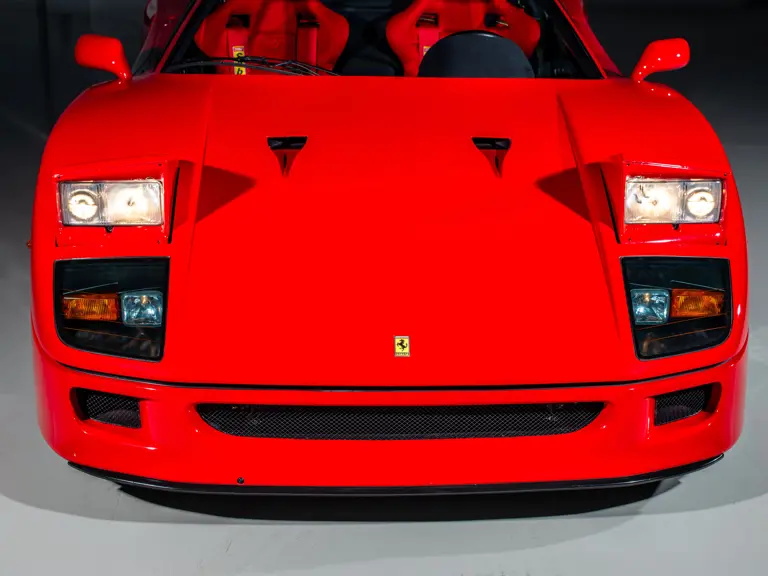
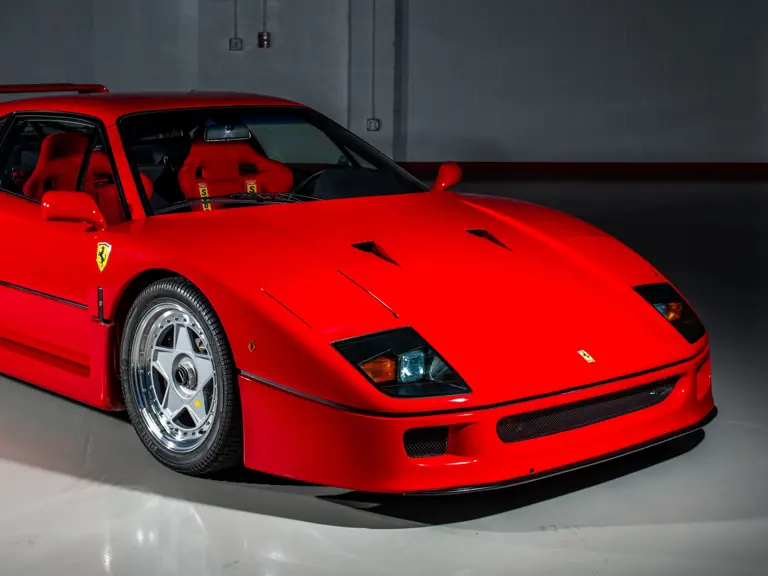
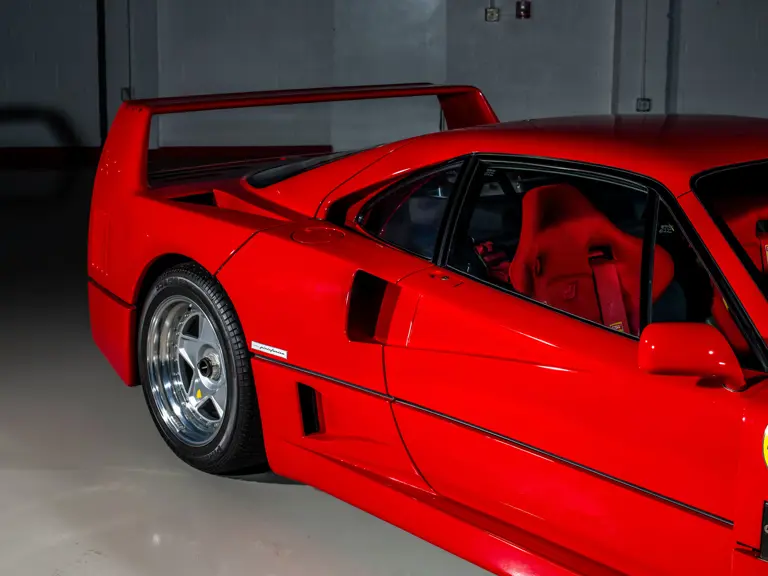
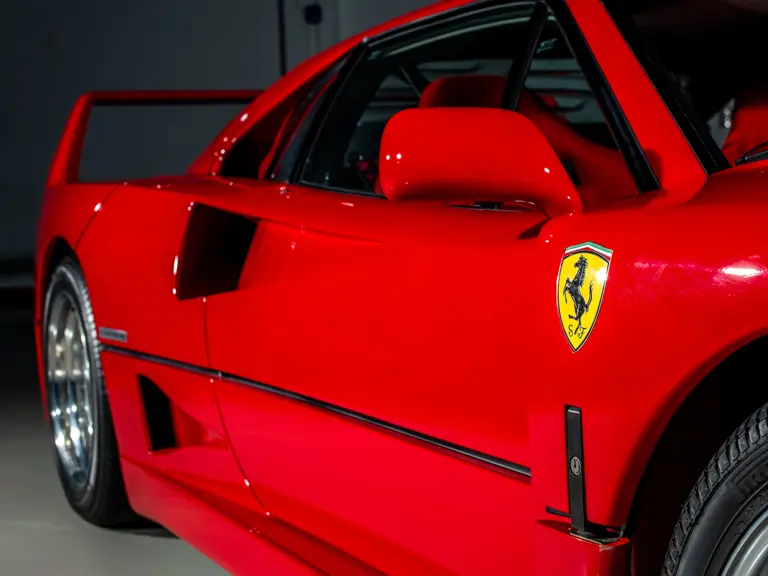
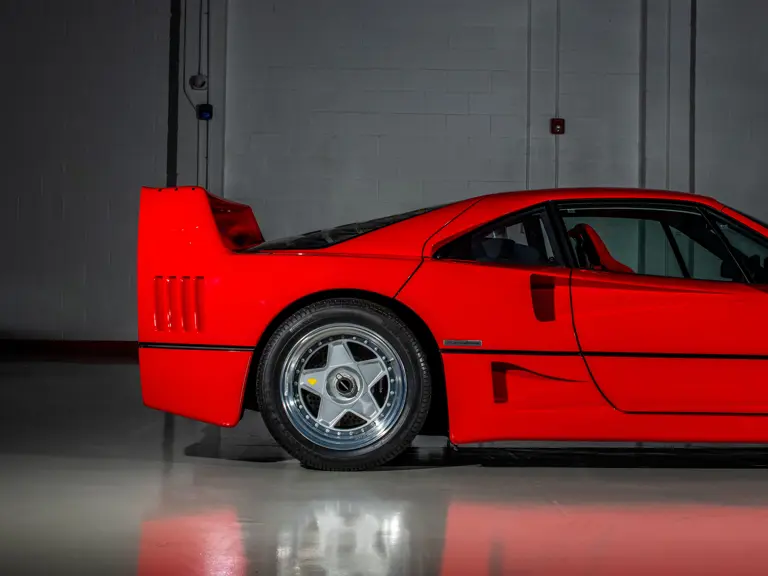
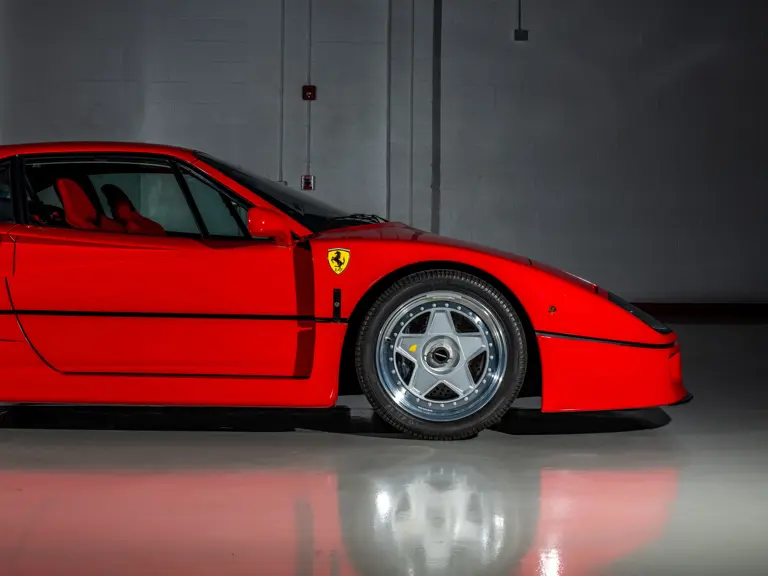
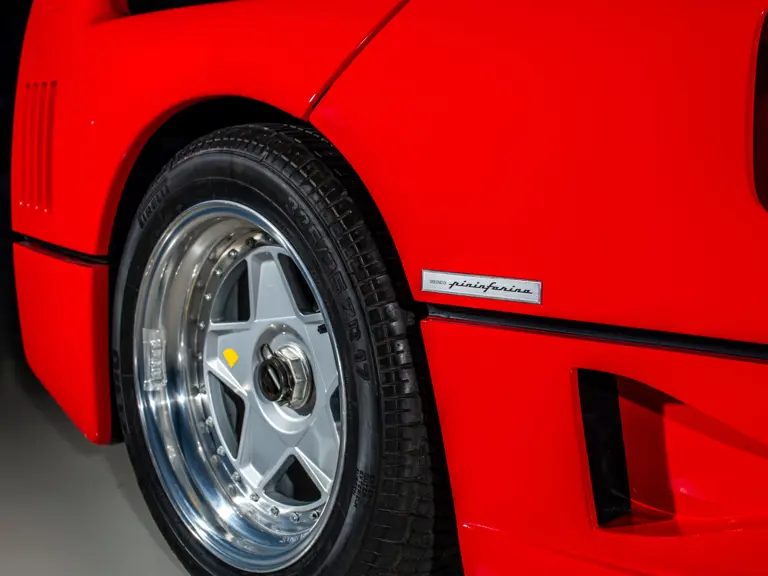
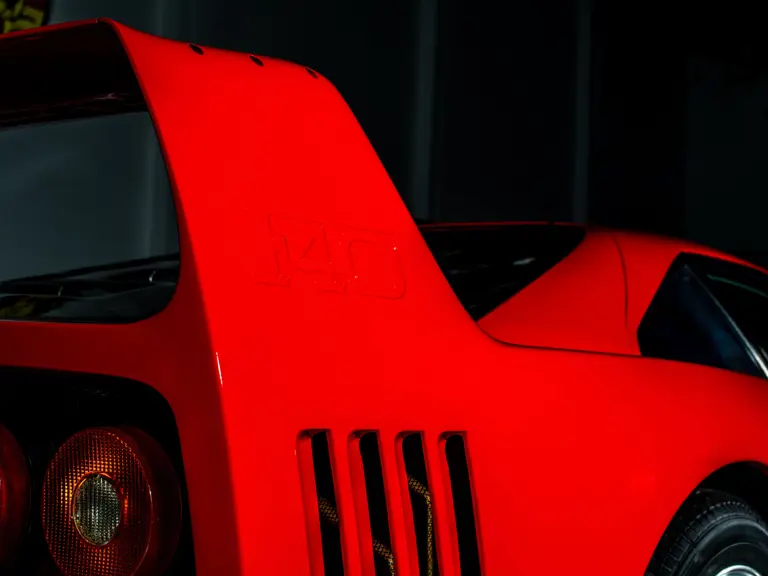
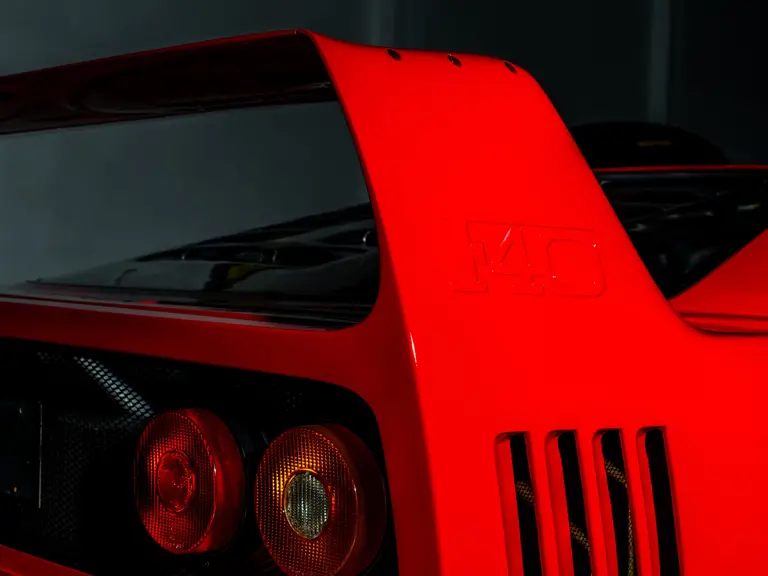
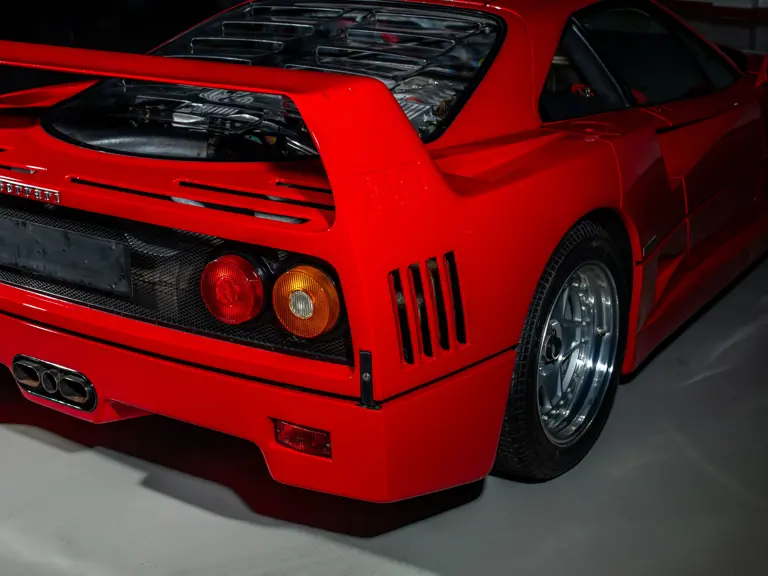
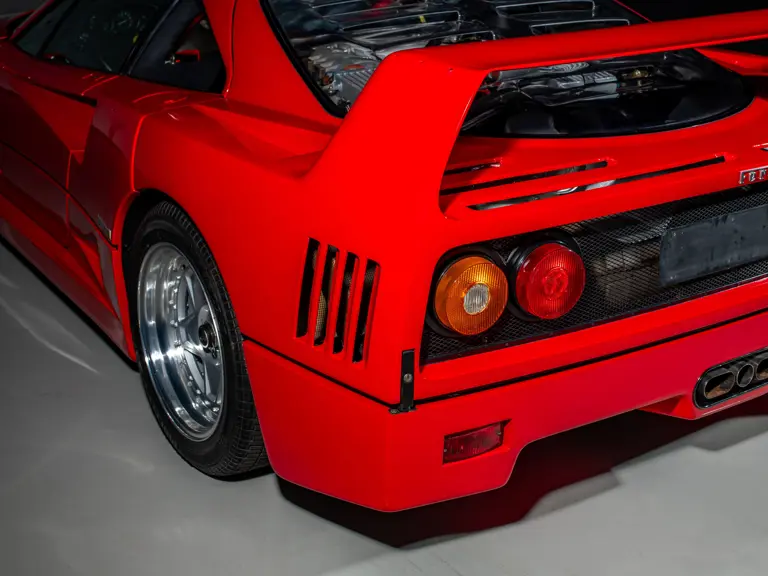
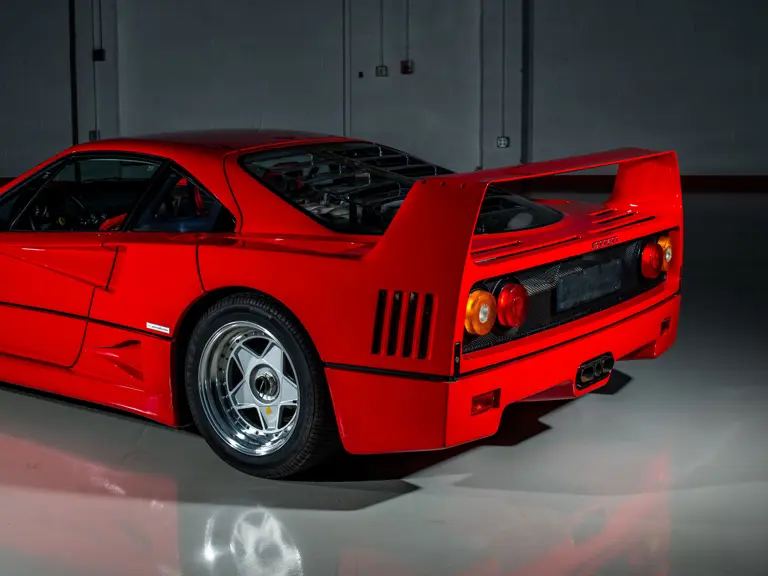
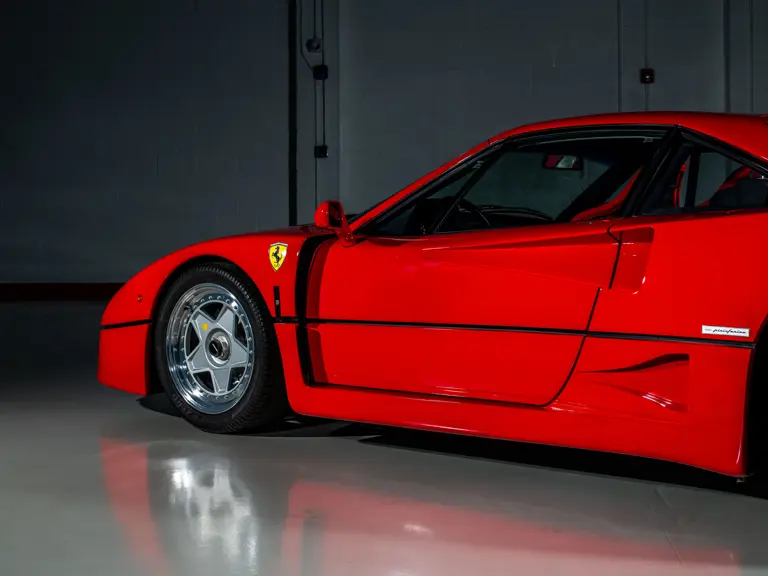
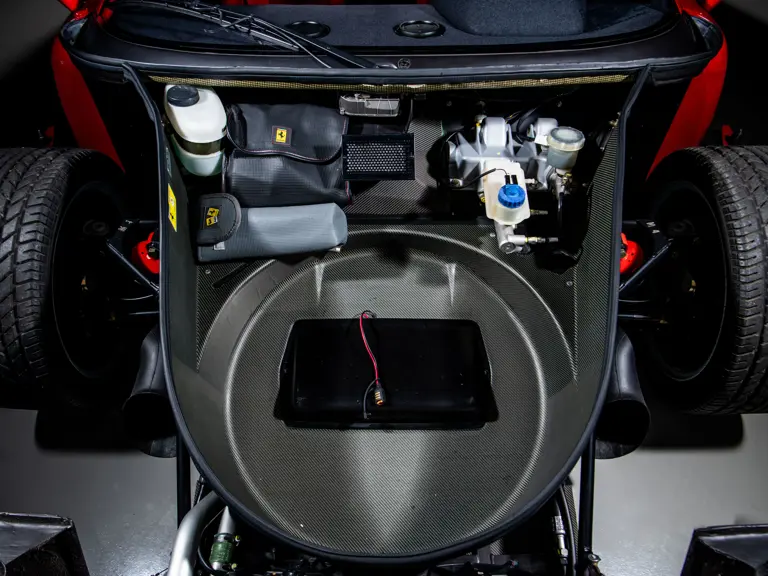
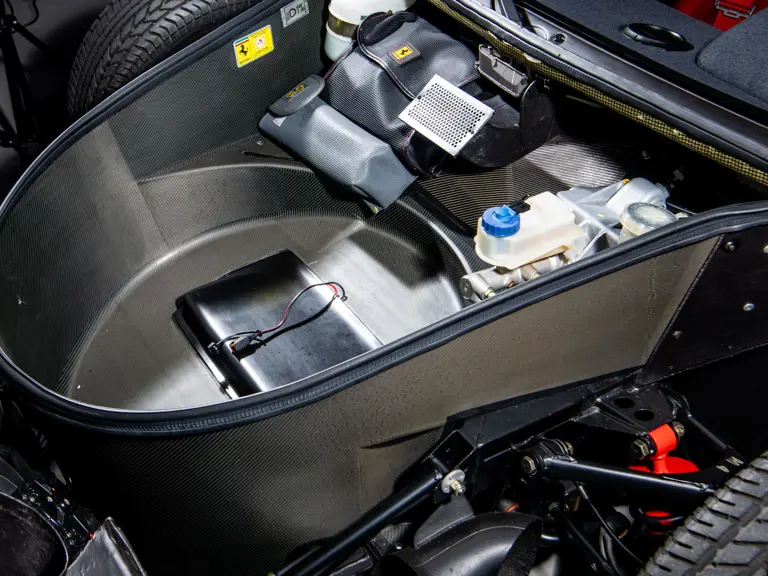
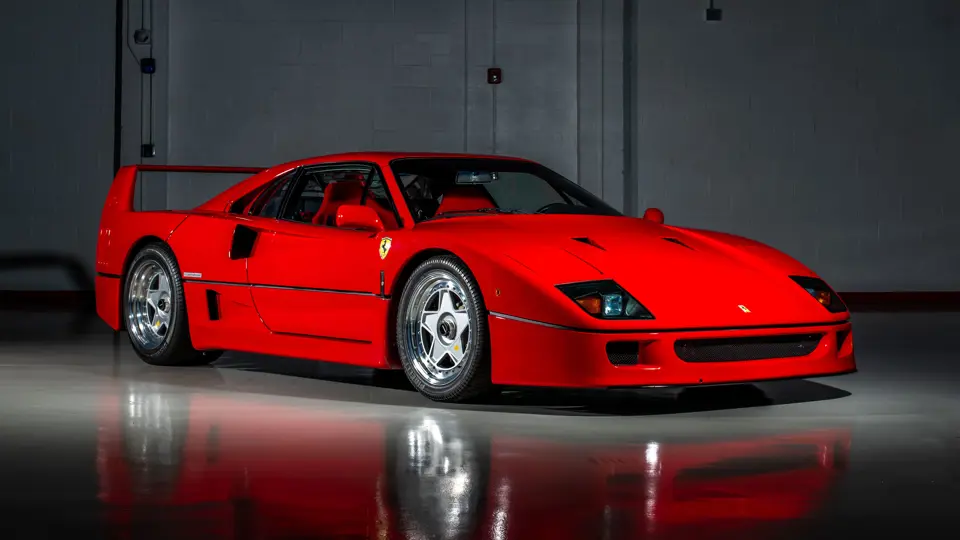
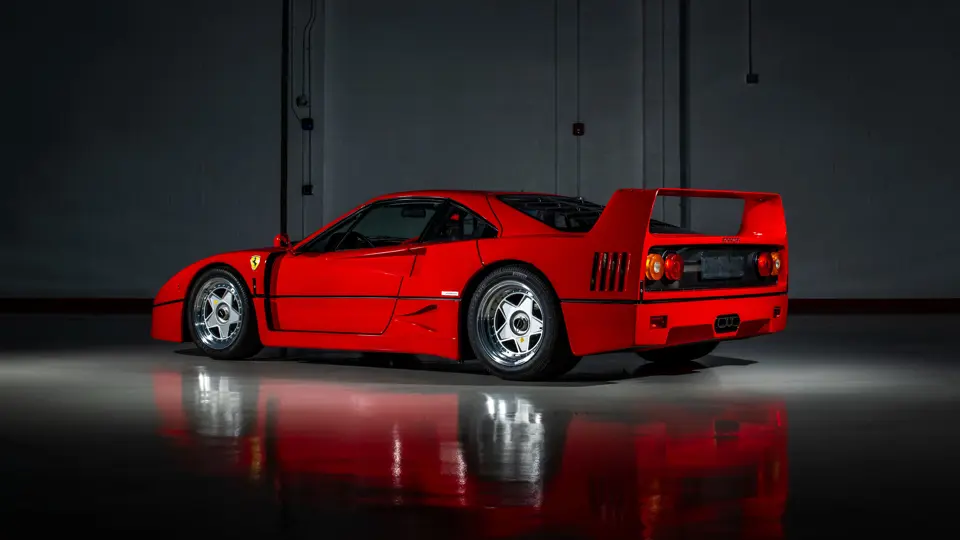
The F40’s philosophy looked to the past as much as the future, owing more to the 250 GTO than to its contemporaries. Its steel‑tube chassis, derived from the 288 GTO, was reinforced and cloaked in a skin of carbon fiber, Kevlar, and aluminum, prioritizing strength and lightness over comfort. Its Pininfarina bodywork, credited to Leonardo Fioravanti, was dictated almost entirely by function, with deep vents, flared arches, and a towering rear wing serving aerodynamic necessity first and visual theater second. The result is a form that tempers brutality with poise; even at rest, the F40 appears coiled and ready to strike.
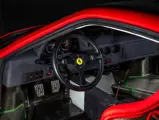
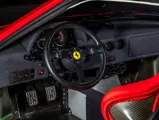
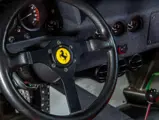
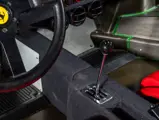
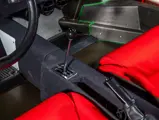
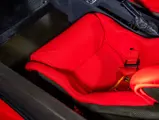
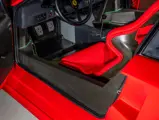
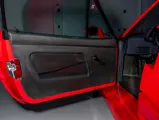
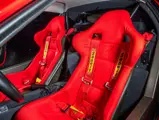
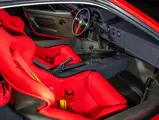
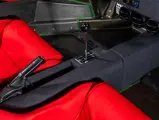
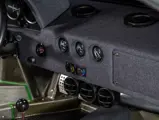
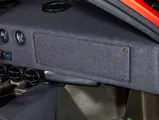
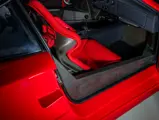
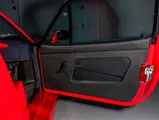
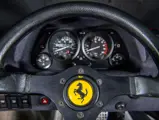
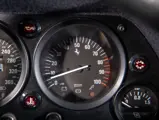
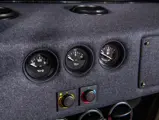
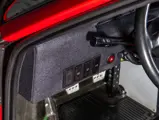
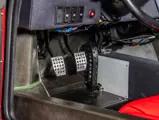
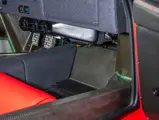
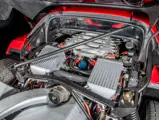
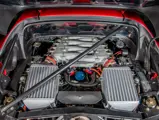
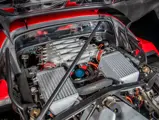
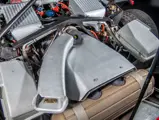
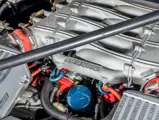
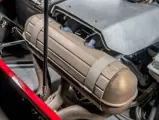
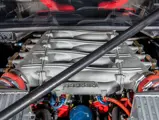
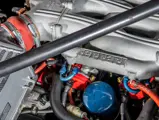
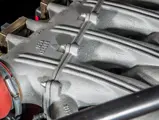
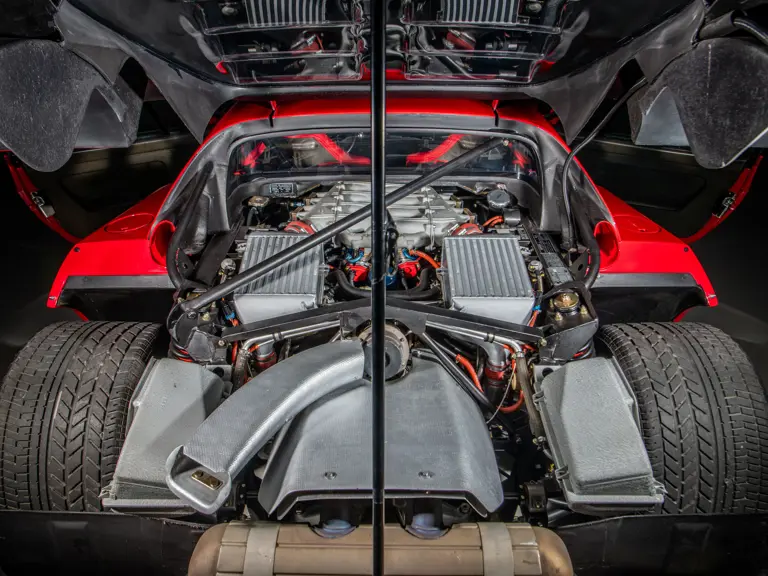
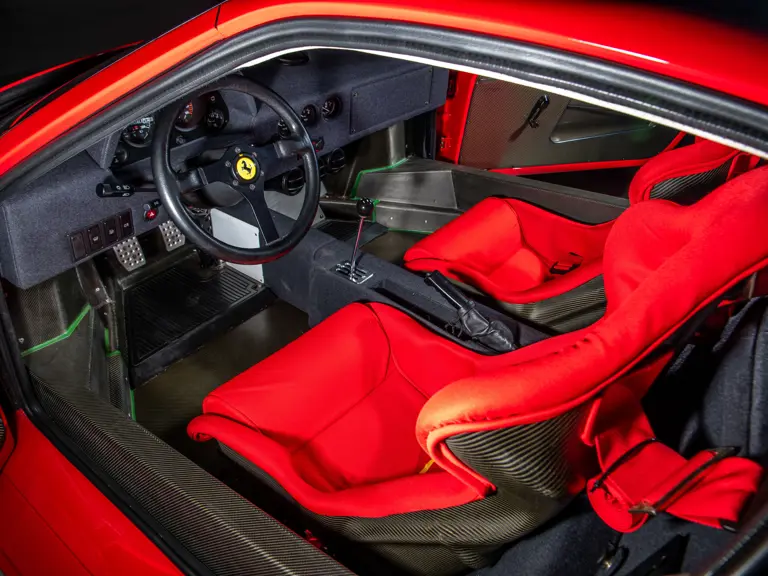
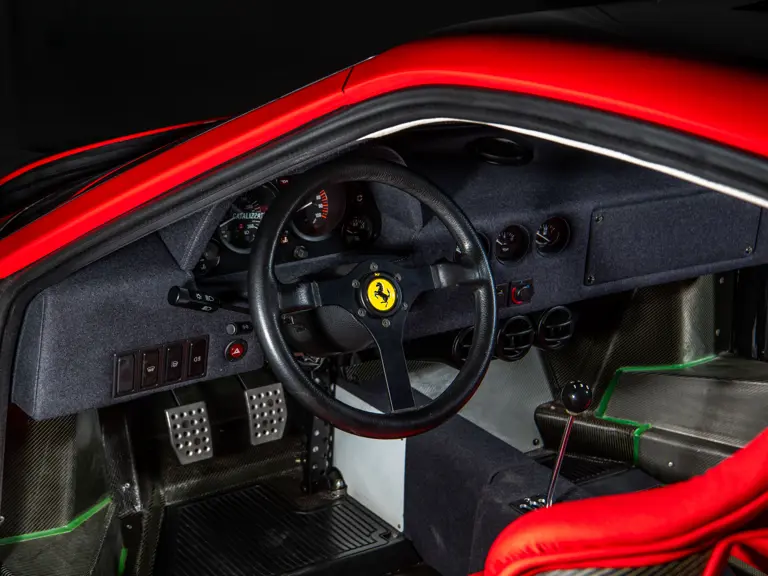
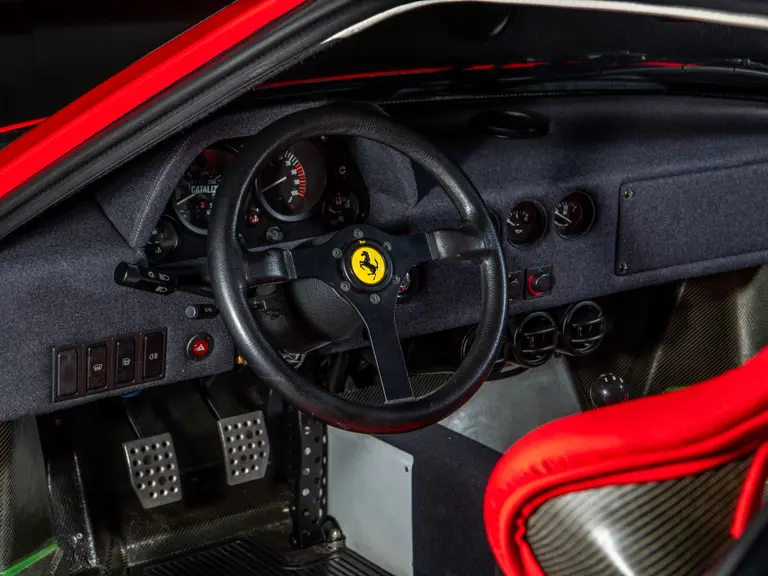
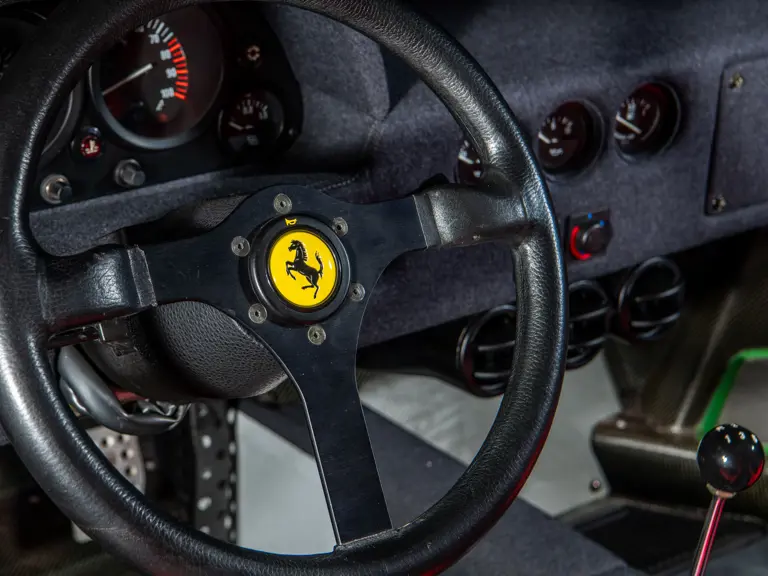
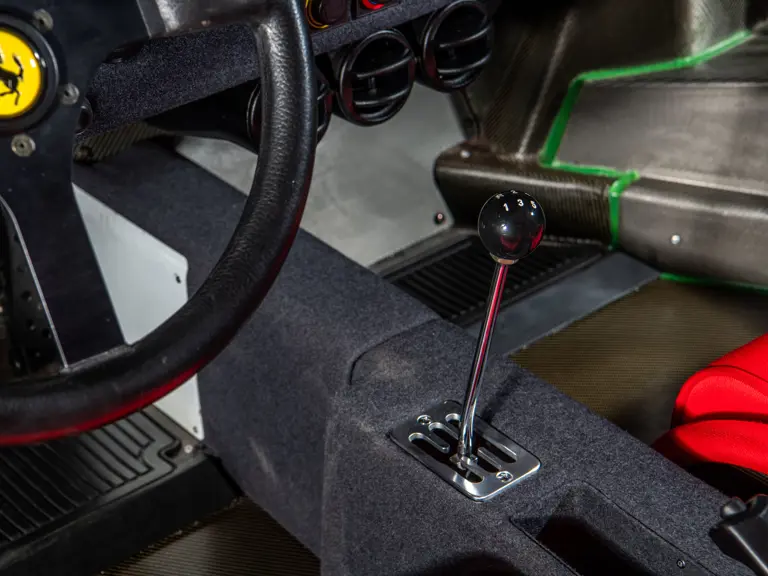
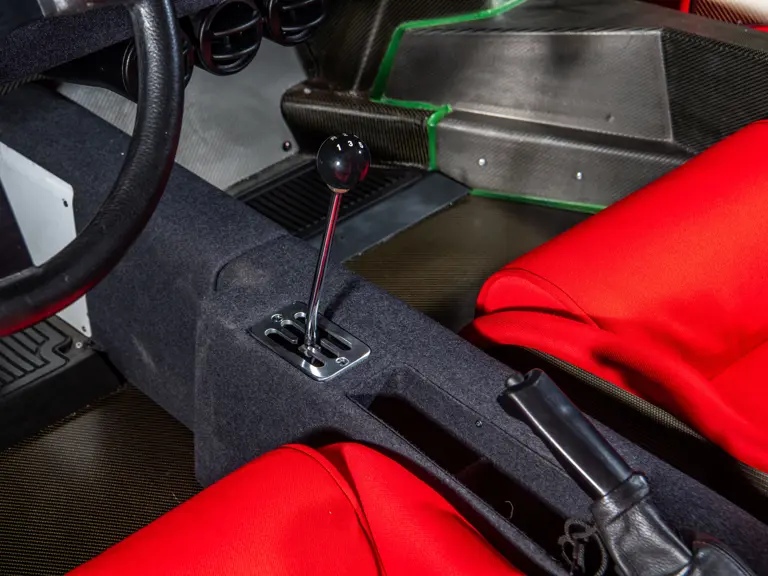
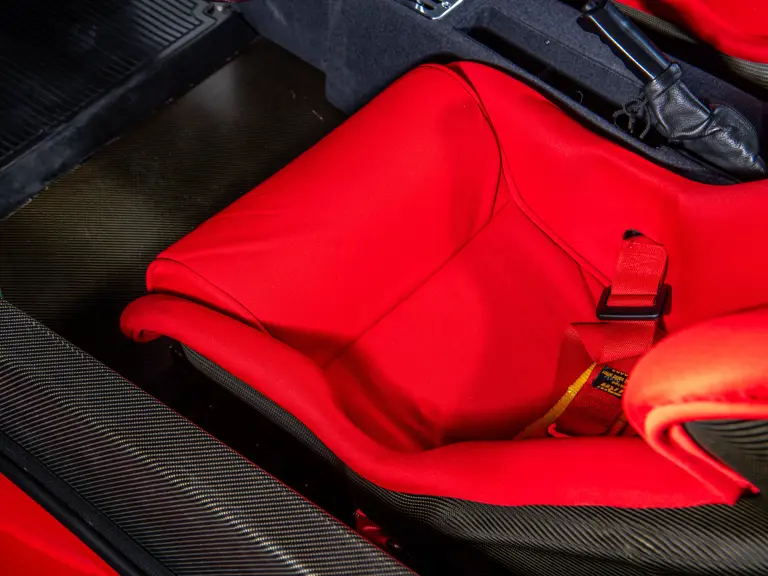
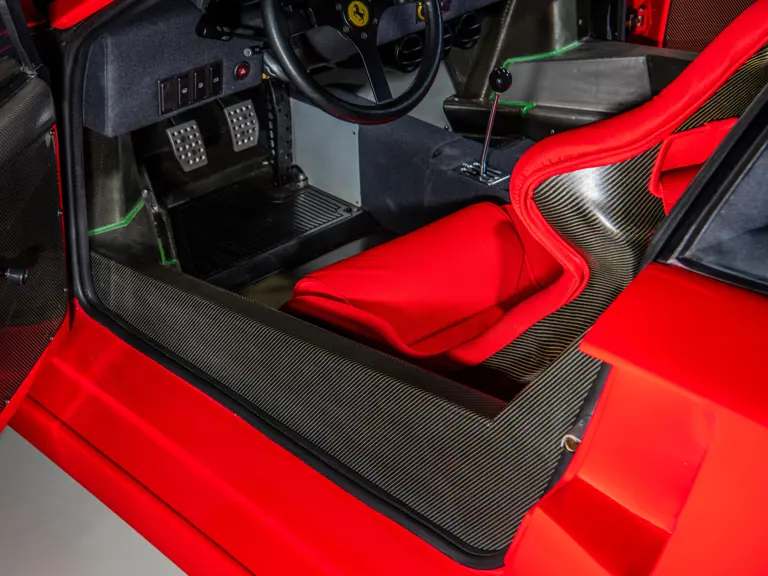
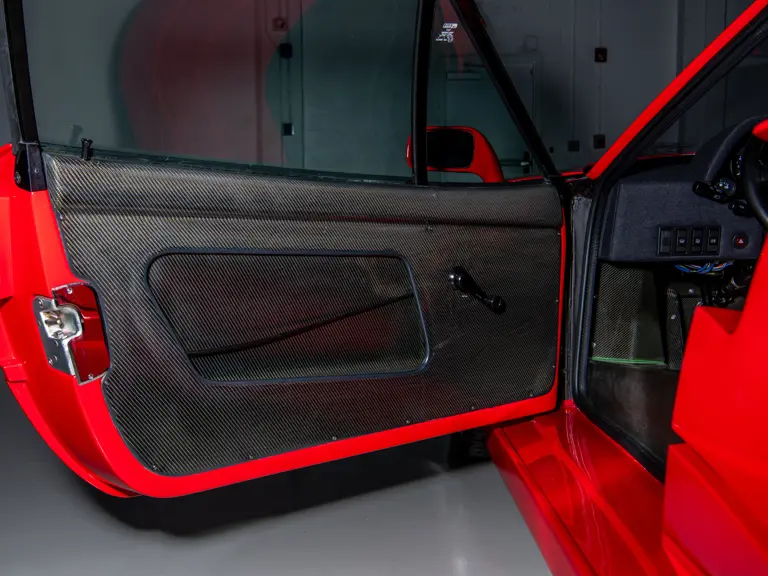
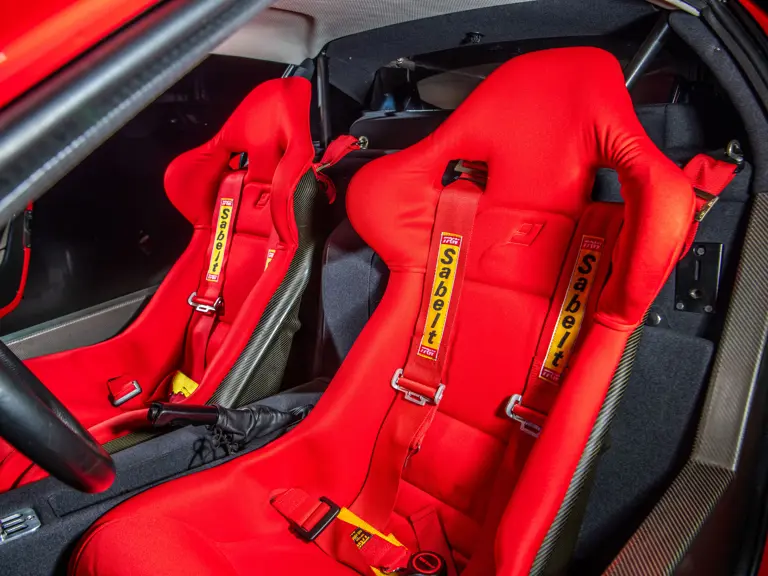
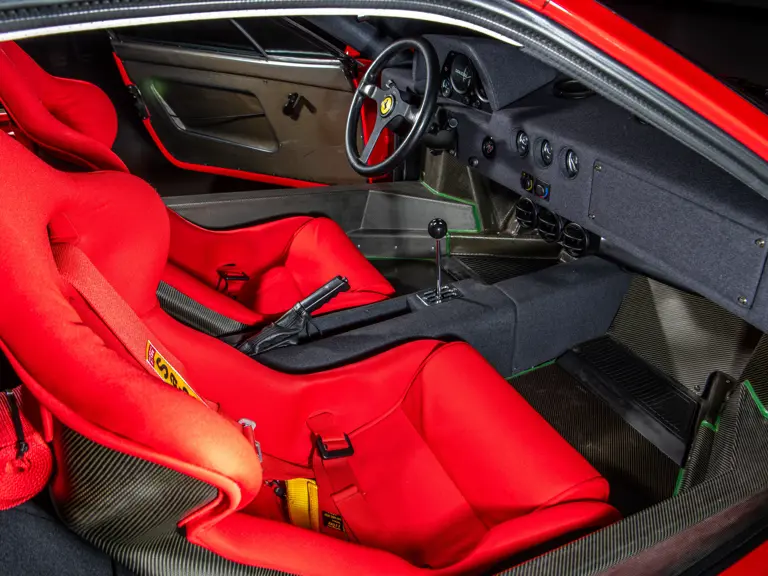
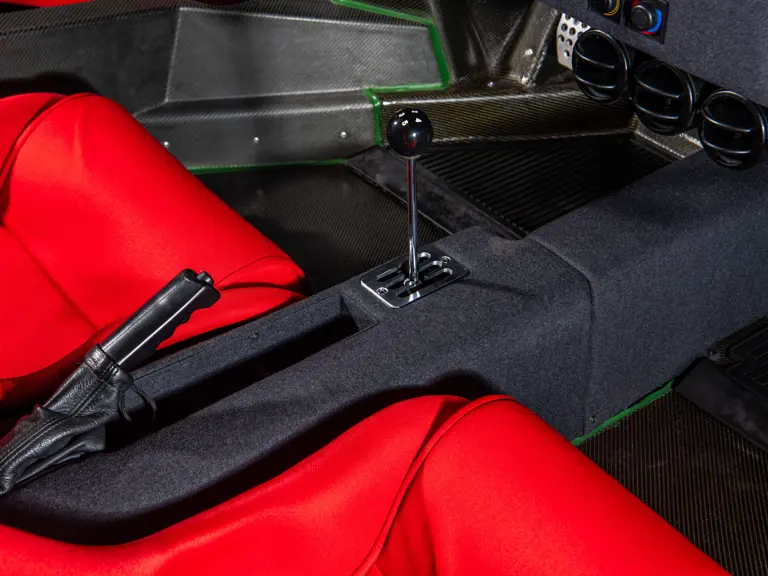
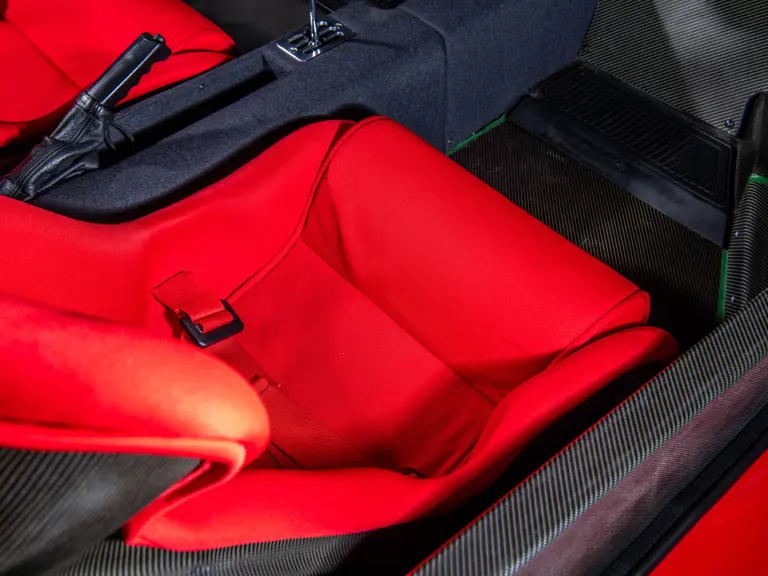
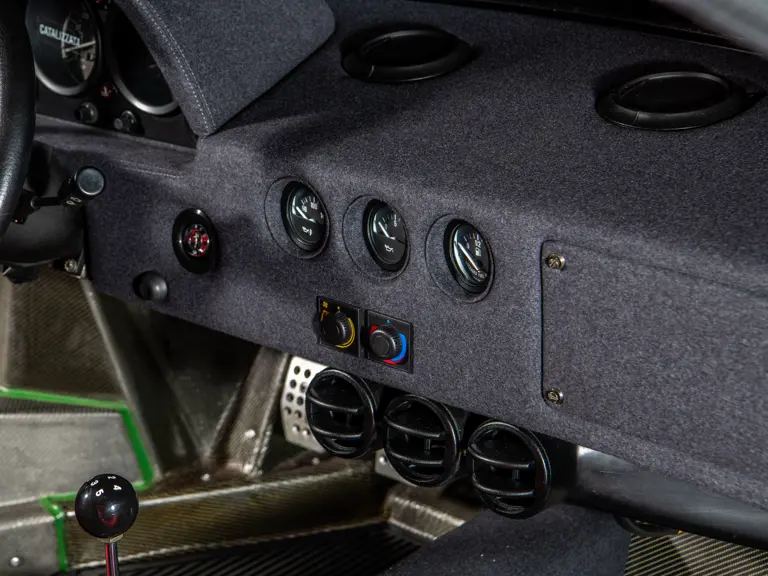
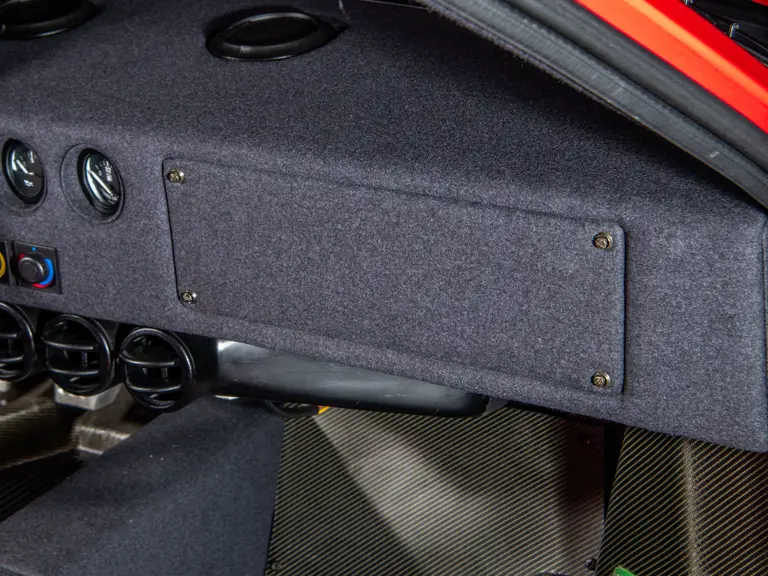
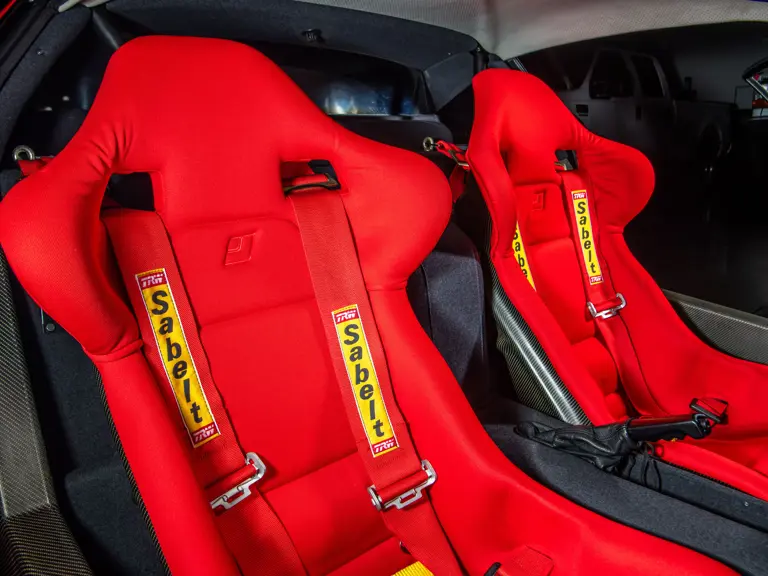
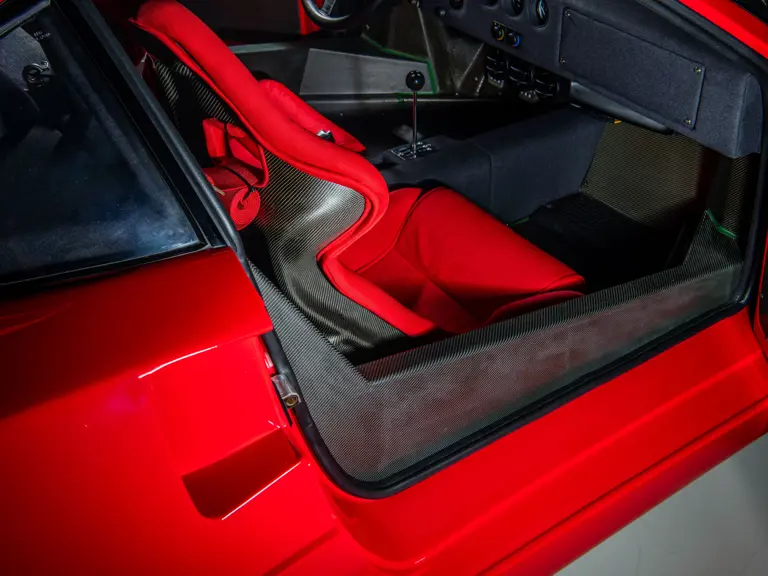
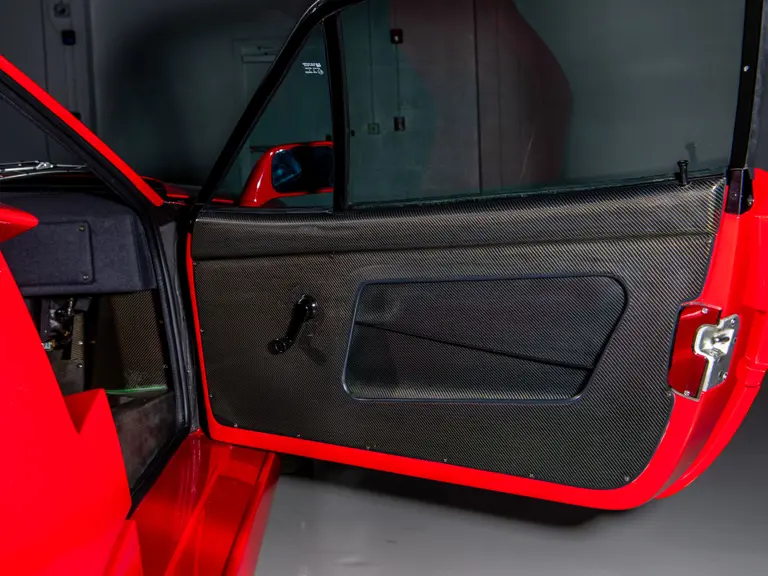
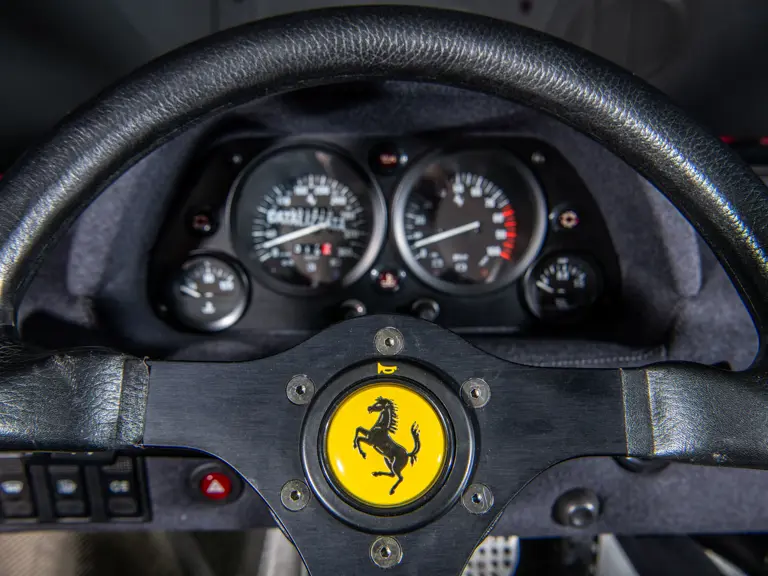
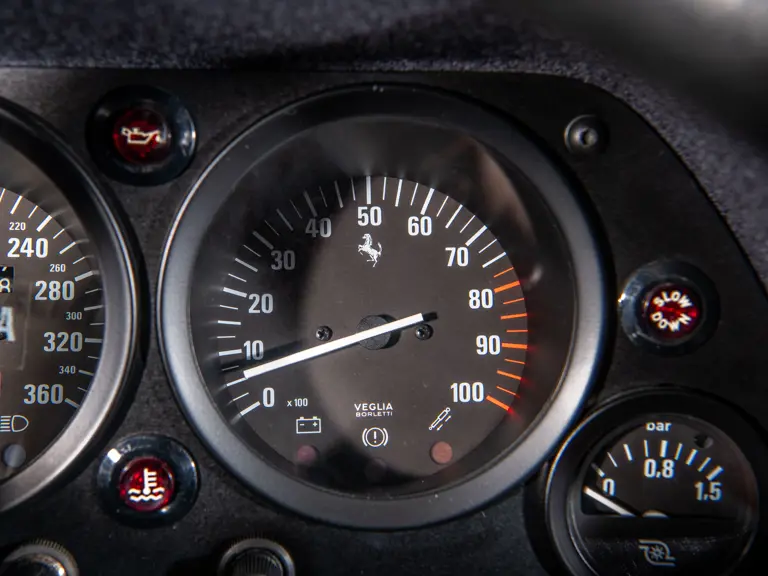
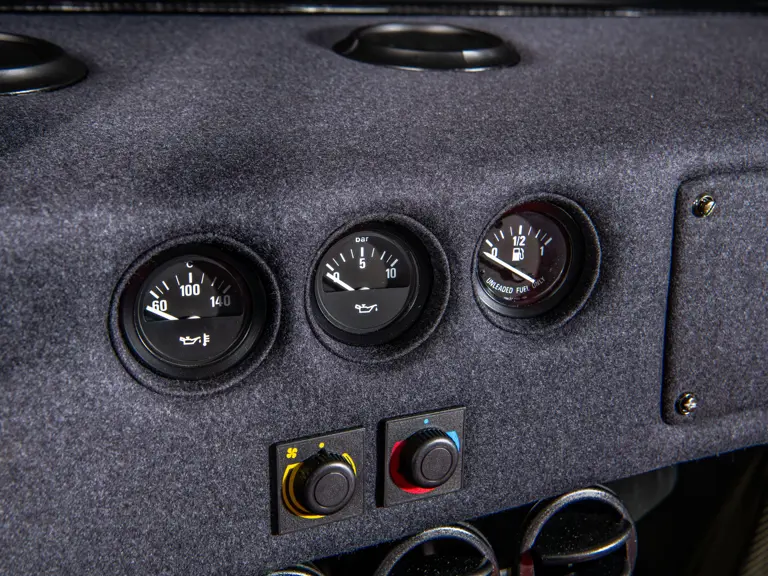
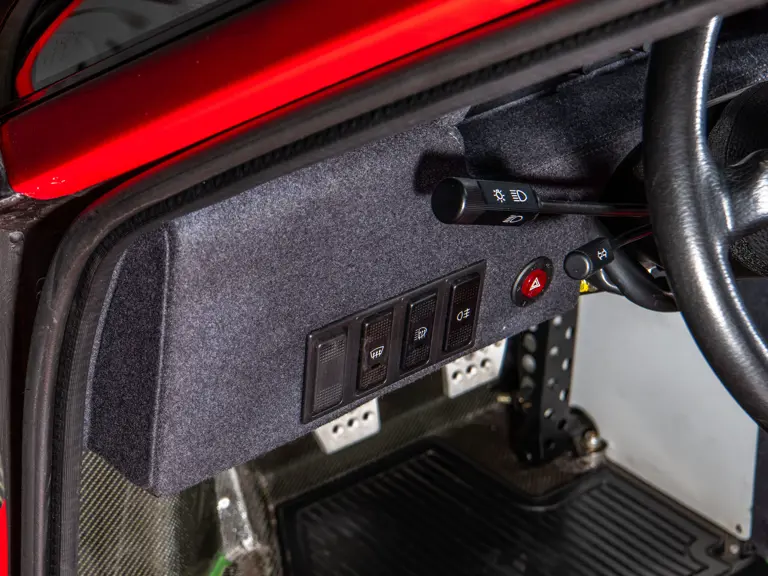
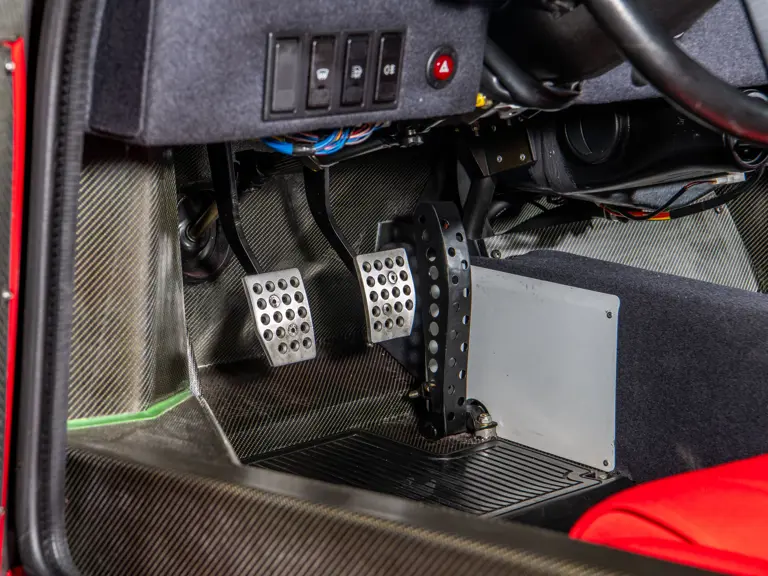
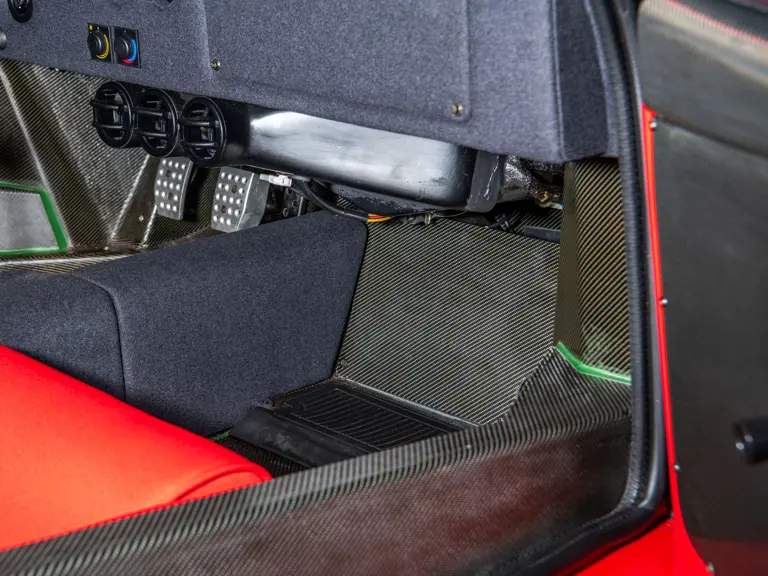
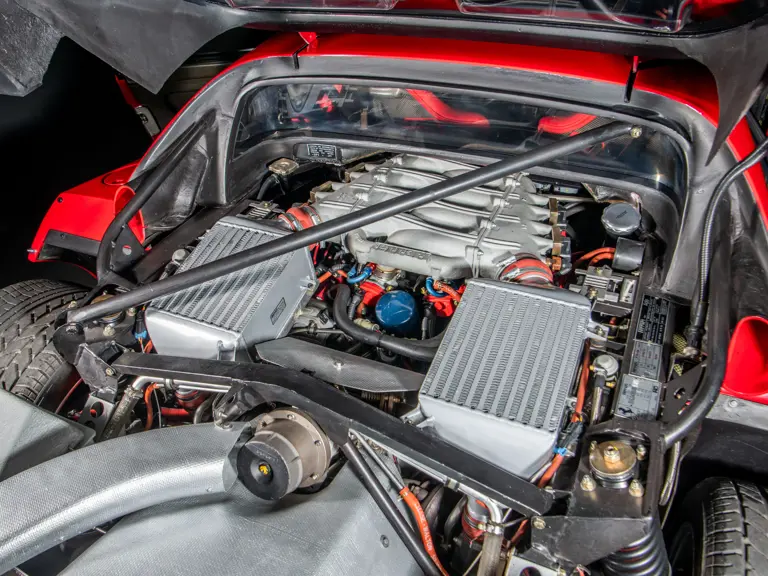
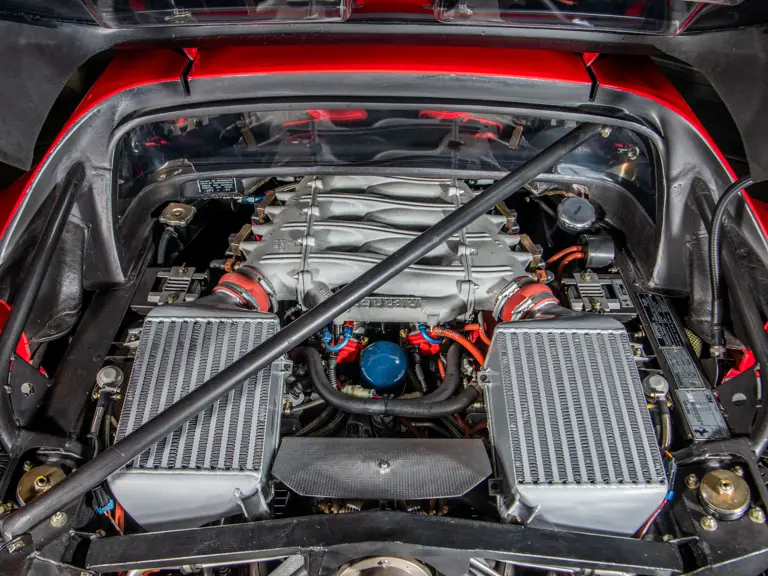
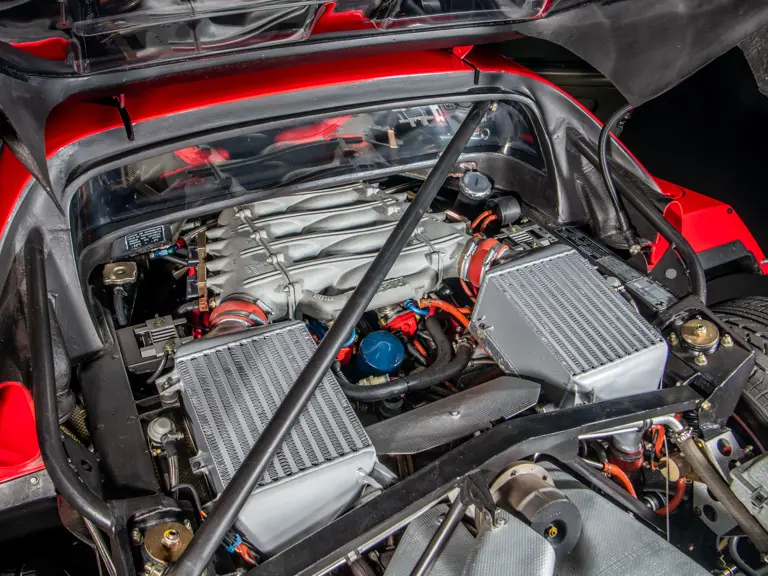
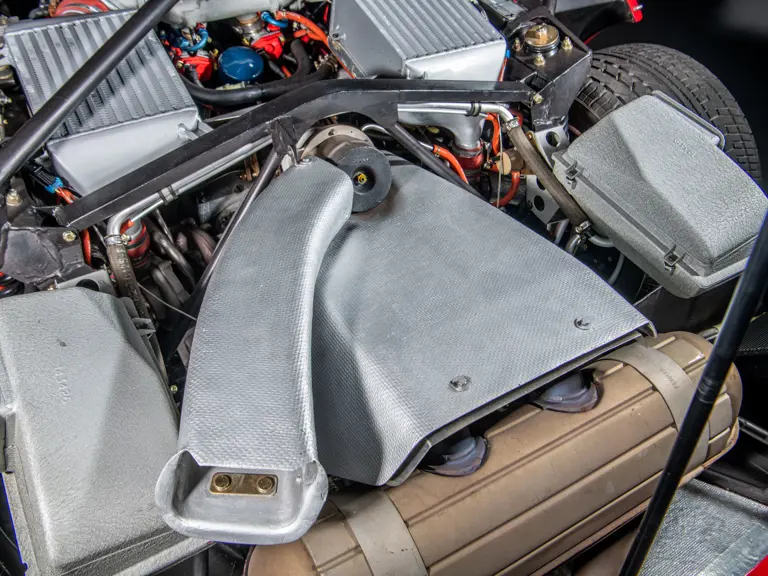
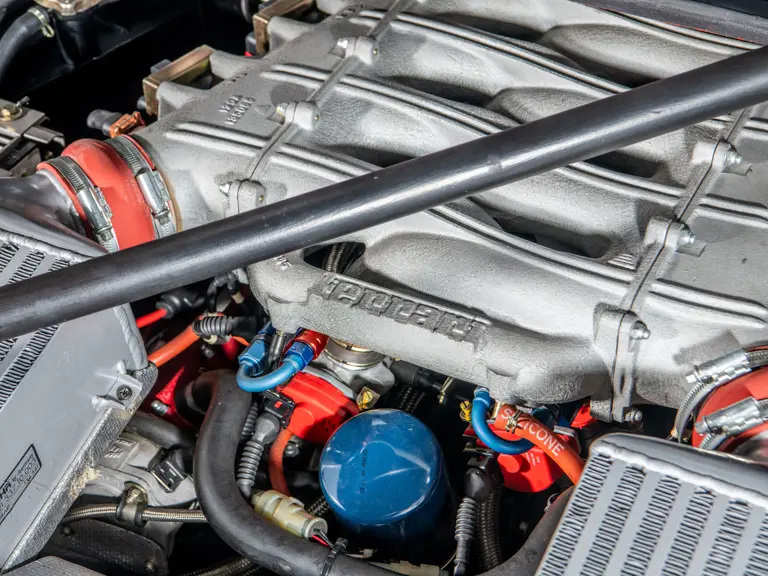
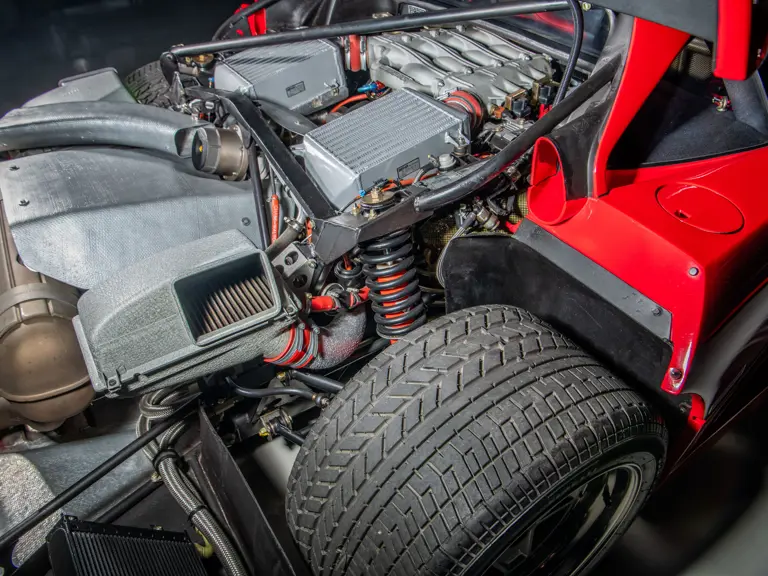
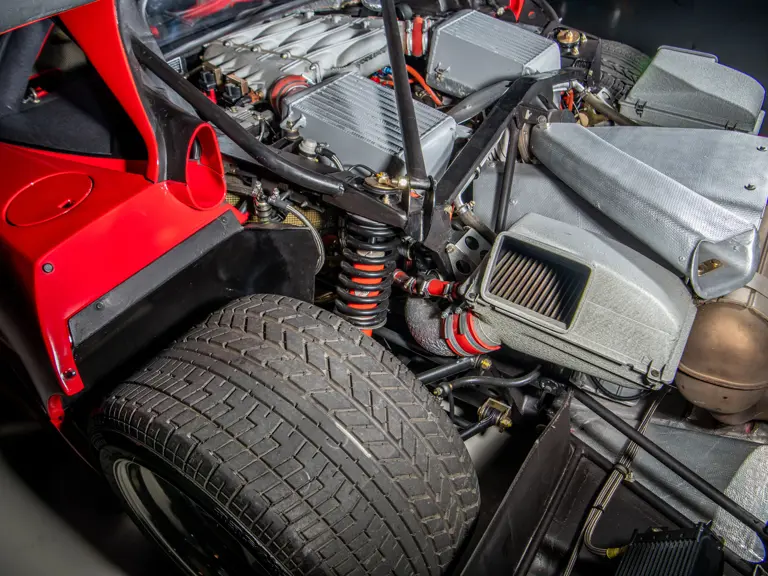
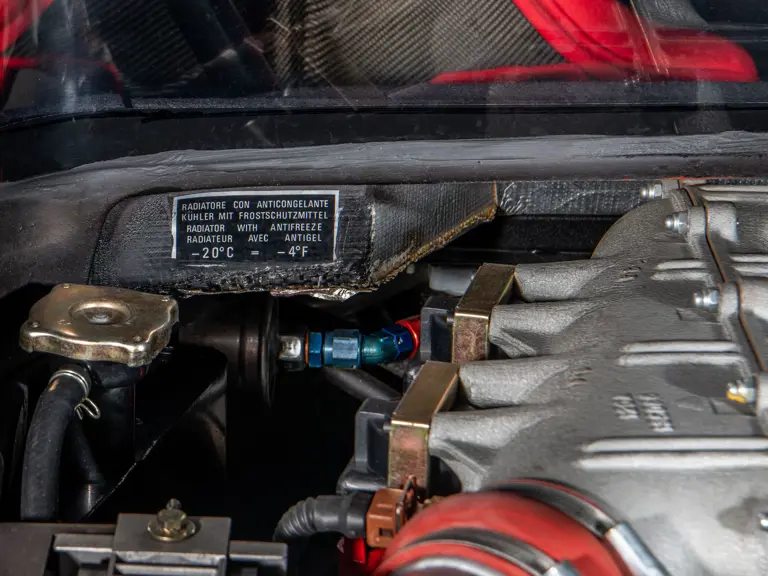
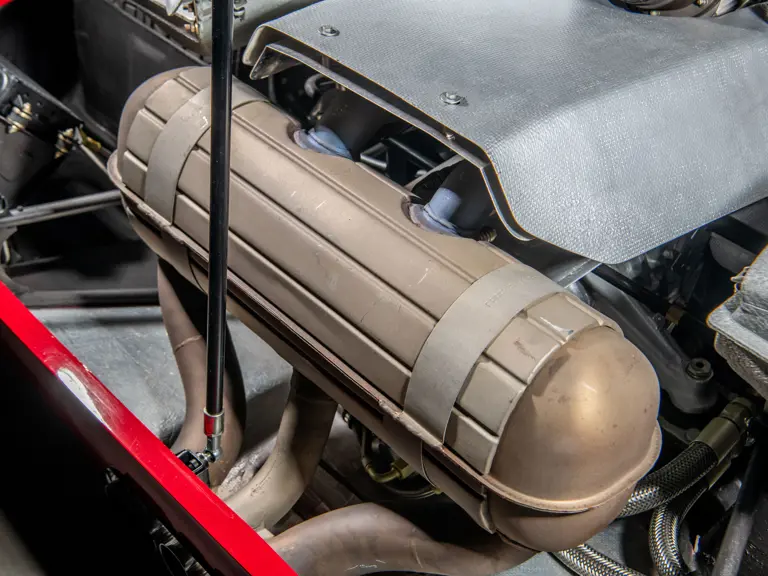
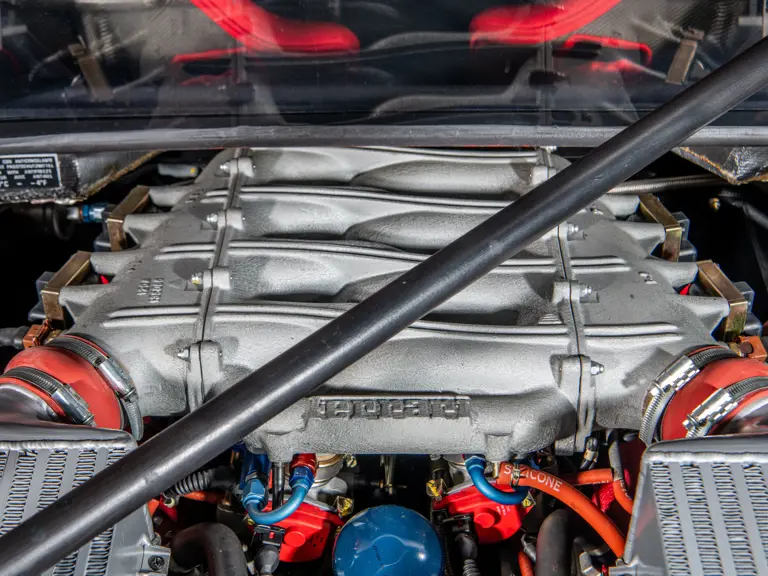
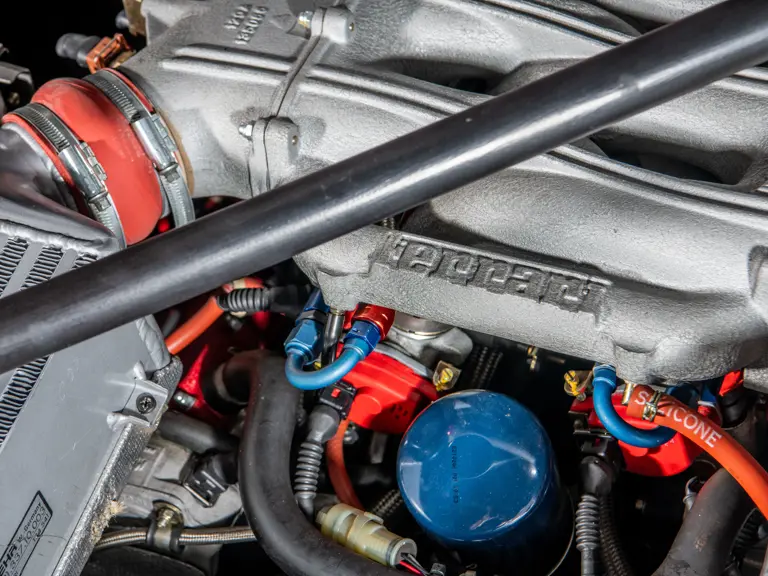
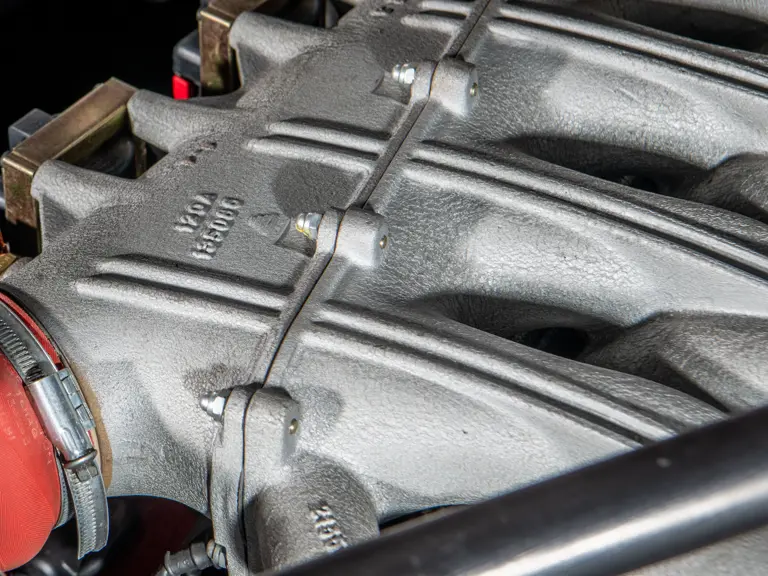
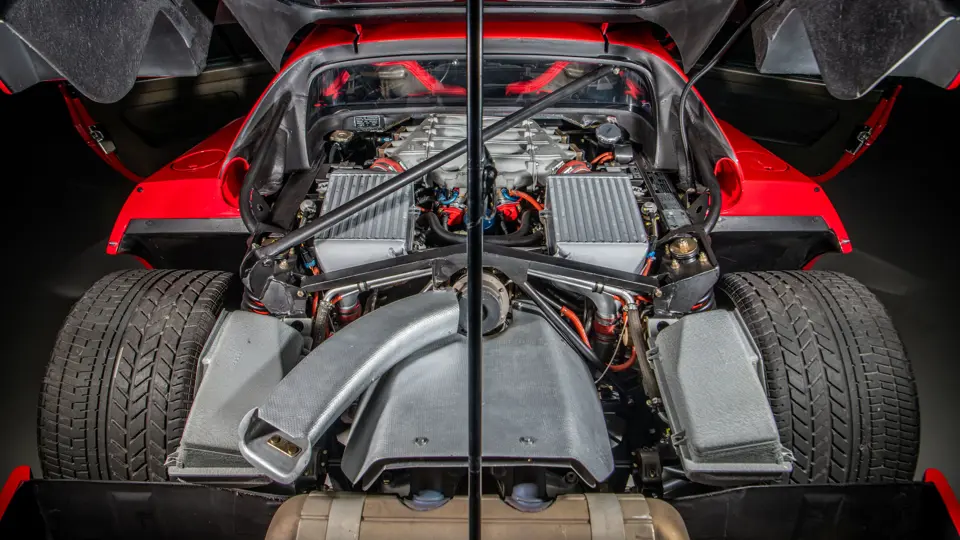
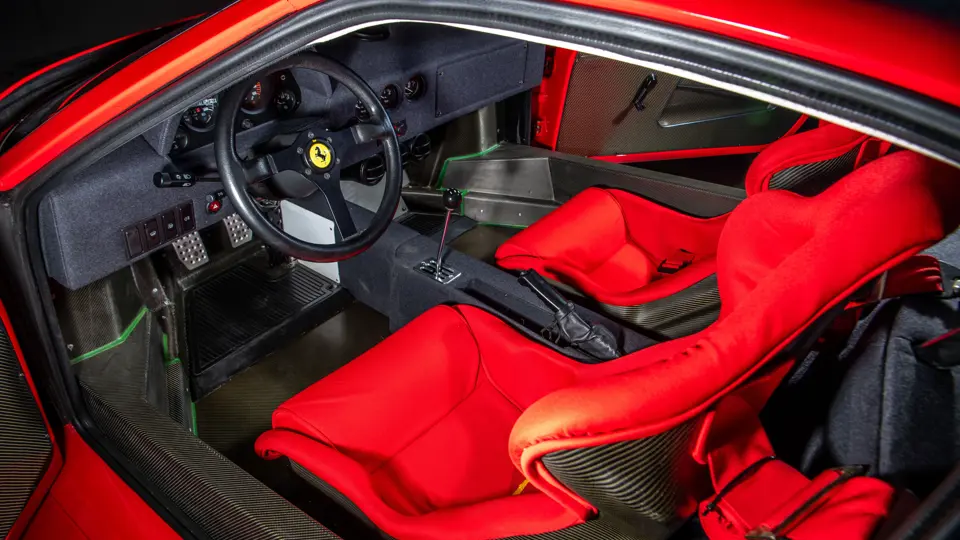
Beneath its purposeful bodywork lies a 2.9‑liter twin‑turbocharged V‑8—an enlarged evolution of the 288 GTO’s engine—producing 478 horsepower and 425 pound-feet of torque, channeled through a gated five‑speed manual gearbox, and capable of propelling the F40 to a top speed of over 200 mph. Yet the car’s reputation rests on more than figures alone. Driver aids were omitted by design: no ABS, no traction control, no electronic safety net. The cabin is similarly uncompromising: devoid of carpeting and sound insulation, with fabric pull straps in place of door handles, a gray‑cloth dashboard, and minimally padded carbon‑shell seats. Even wind-up windows were a later addition. Every detail prioritizes engagement and feedback over comfort or convenience.
Control of the F40’s formidable power rests entirely with the driver, and the weight of that responsibility defines its character. Precision is rewarded; complacency is not. It recalls an era when a car could shift from road to track with minimal compromise, delivering a driving experience that remains visceral, physical, and almost primal. And yet, when the turbos spool and the power hits, the sensation is otherworldly, creating a connection between driver and machine that few modern cars can match.
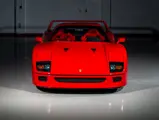
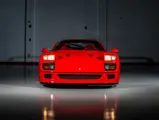
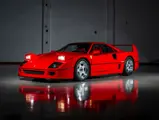
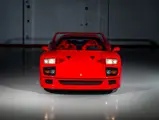
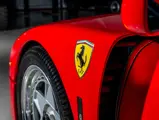
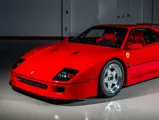
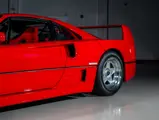
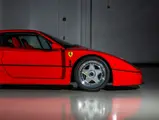
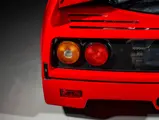
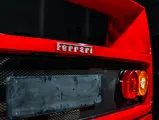
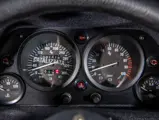
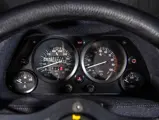
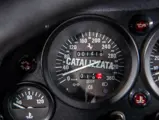
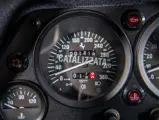
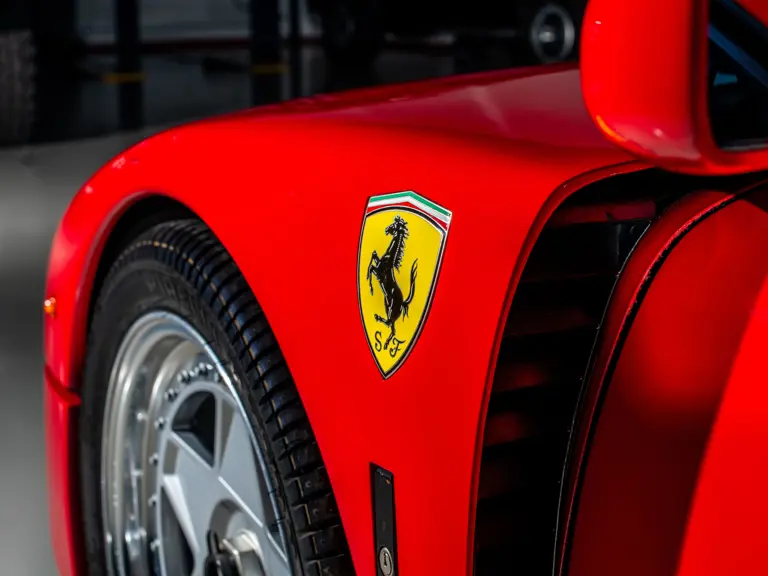
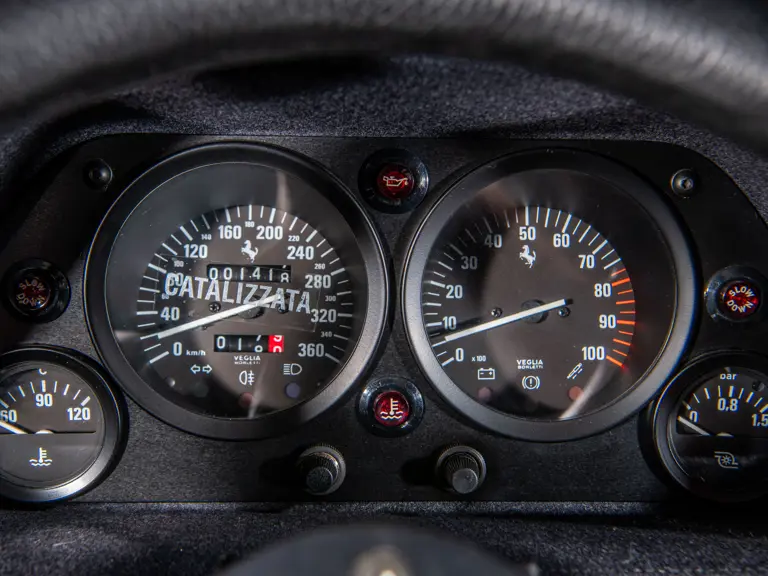
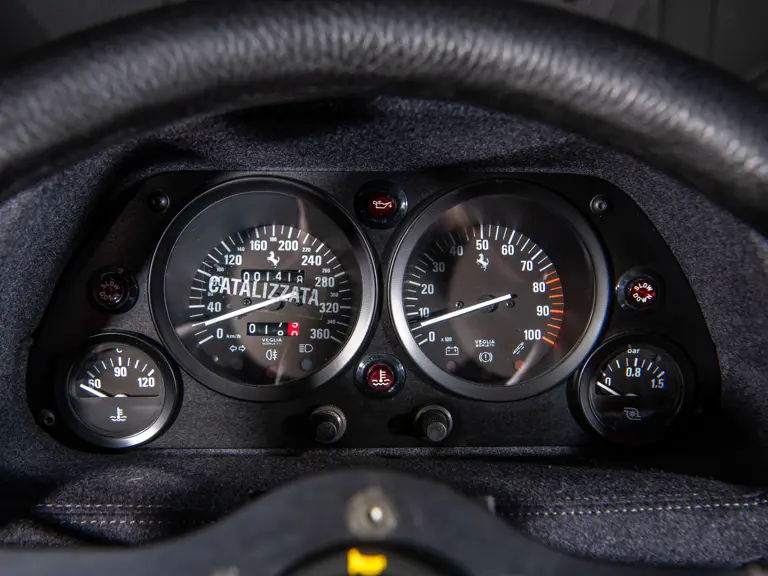
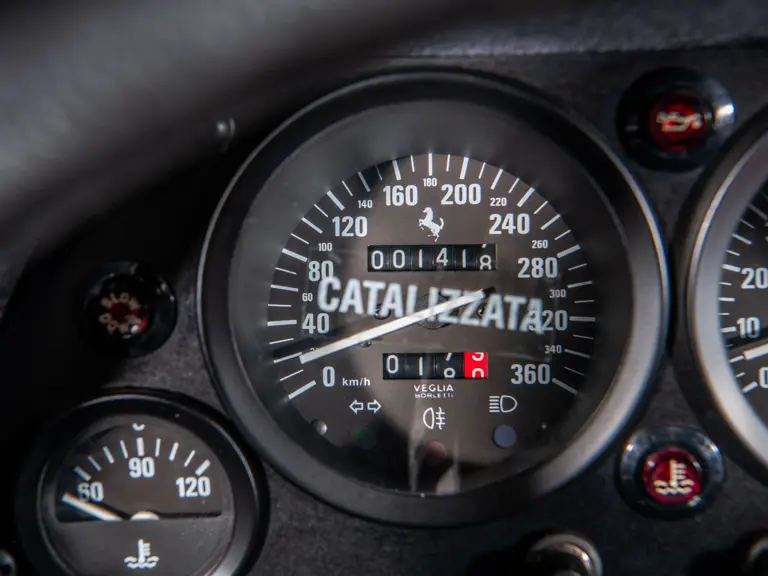
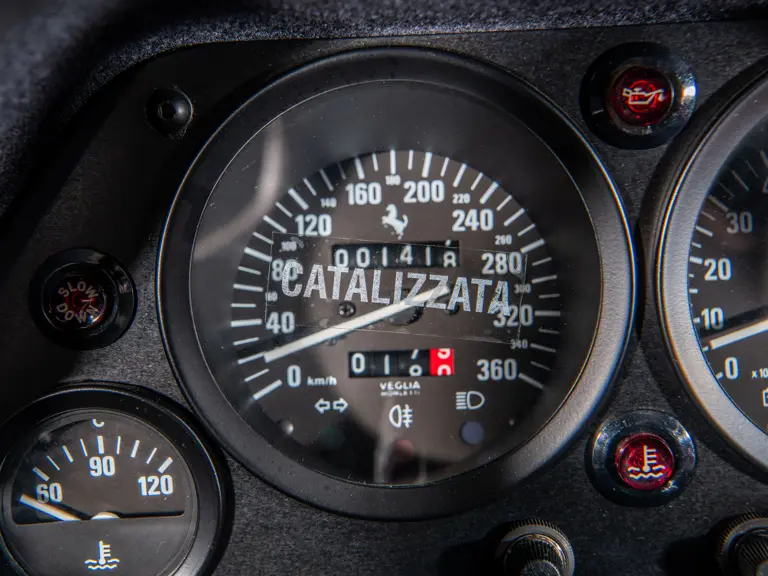
Offered from the Drift Capital Collection, chassis 93892 is one of the final Ferrari F40s built at Maranello and stands among the most remarkable examples available. With just 1,418 kilometers (~882 miles) at the time of cataloguing, this European-specification, Italian home-market F40 is documented by Marcel Massini as completed by Ferrari on 28 May 1992, with delivery through Rome’s official dealer, Sa.Mo.Car. S.p.A., on 7 April 1993.
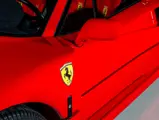
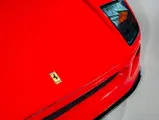
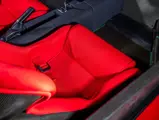
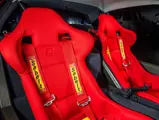
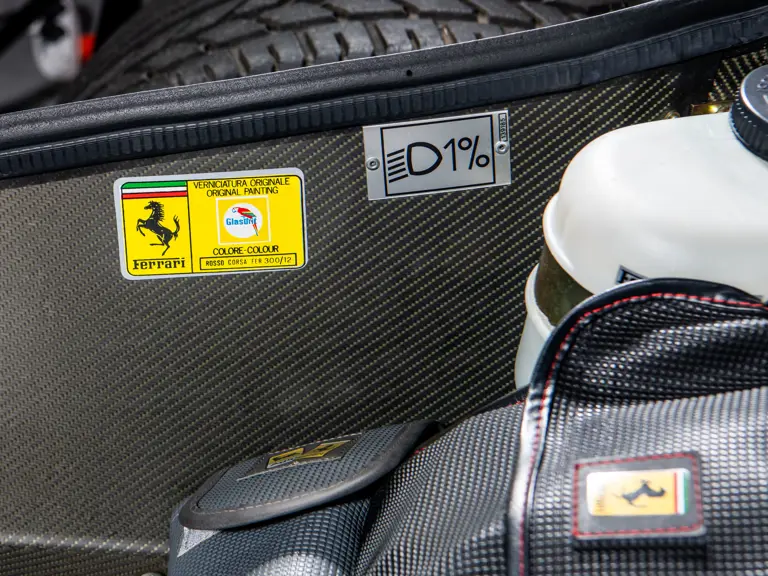
Sold new to a local Roman enthusiast, it was finished—as it remains today—in the model’s iconic Rosso Corsa over Rosso Stoffa Vigogna racing seats. The car stayed in Italy through 1999, when it was exported to Sweden, where it would remain for the next two decades under the care of a succession of prominent Swedish enthusiasts before arriving in the United States in 2024.
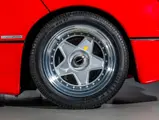
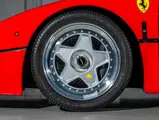
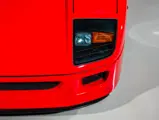
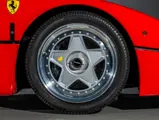
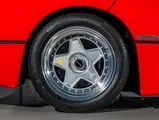
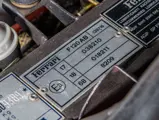
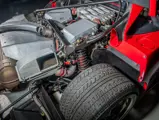
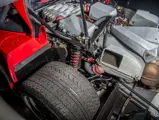
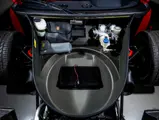
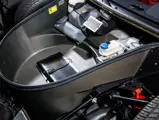
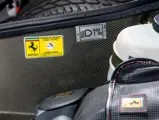
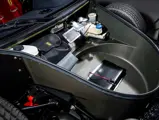
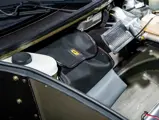
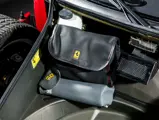
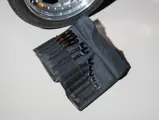
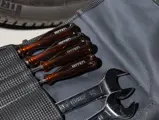
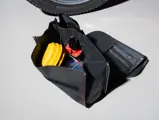
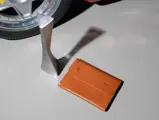
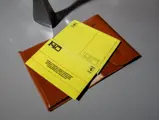
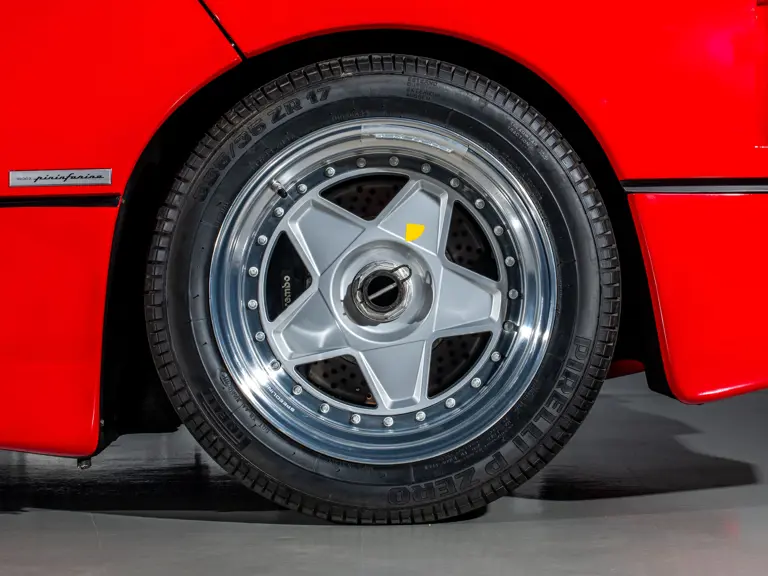
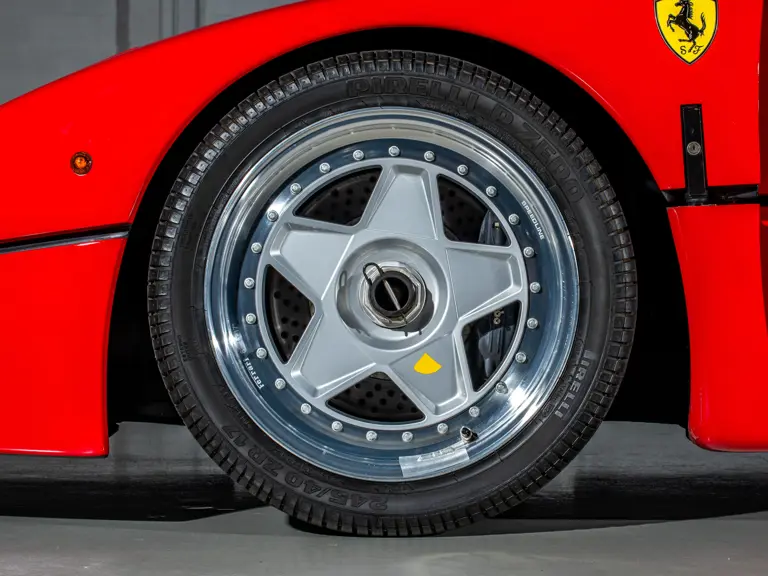
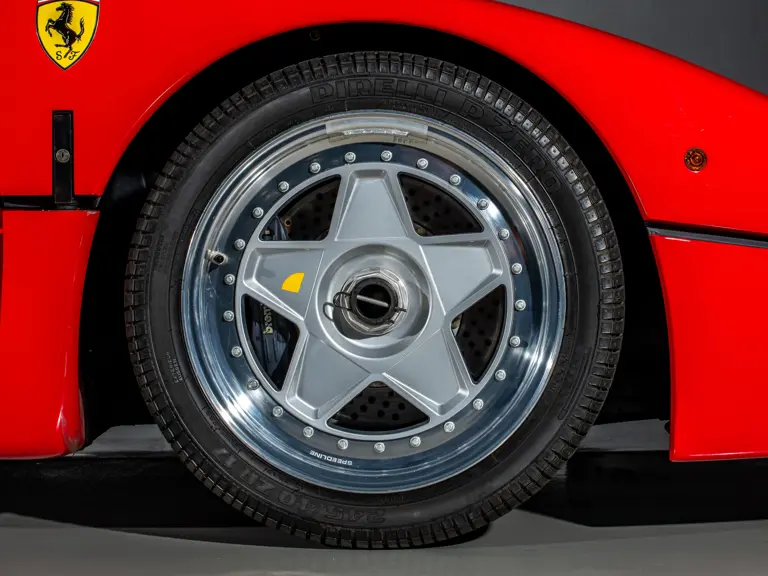
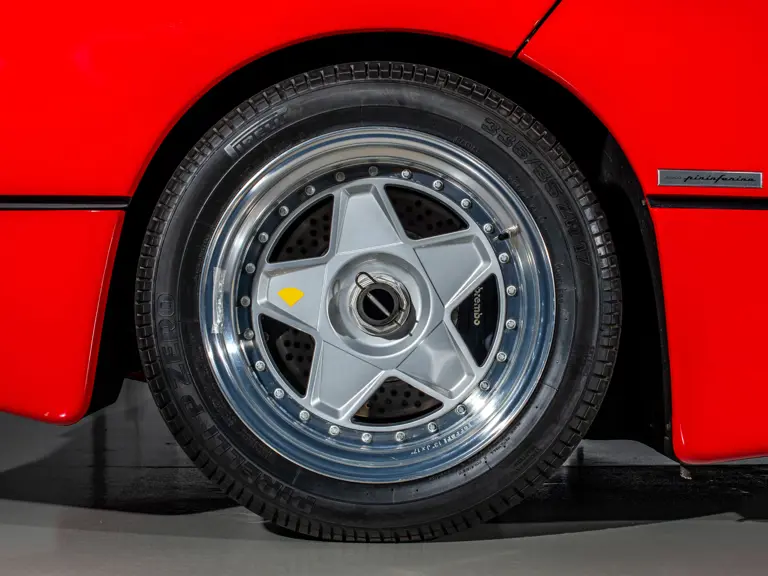
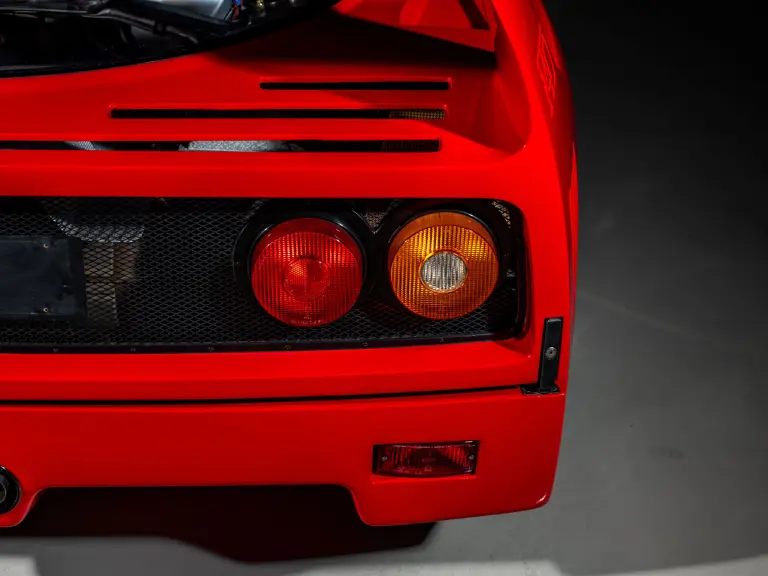
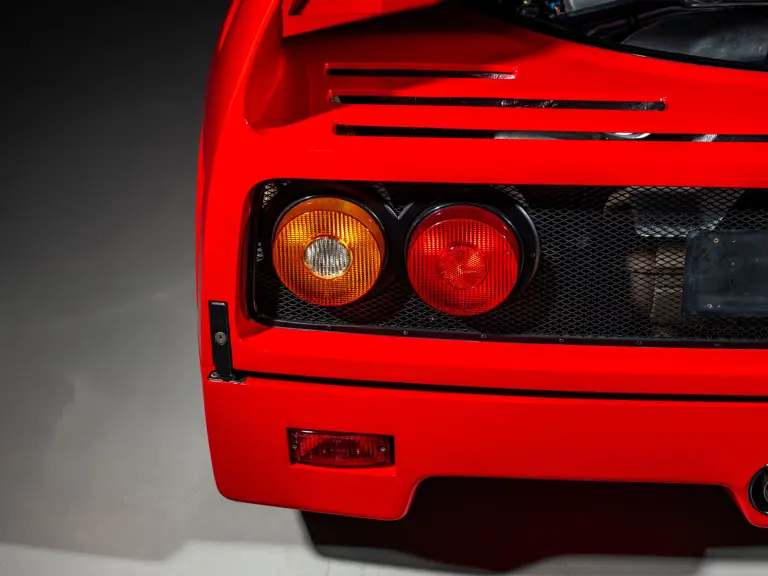
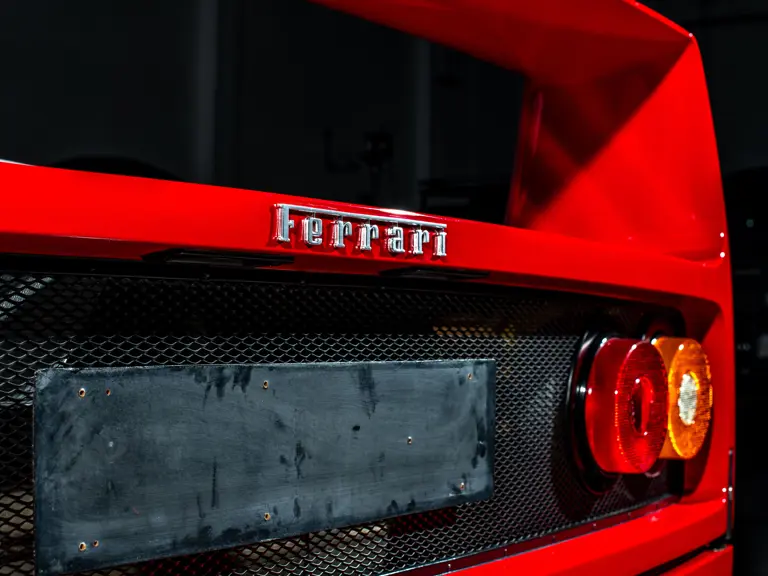
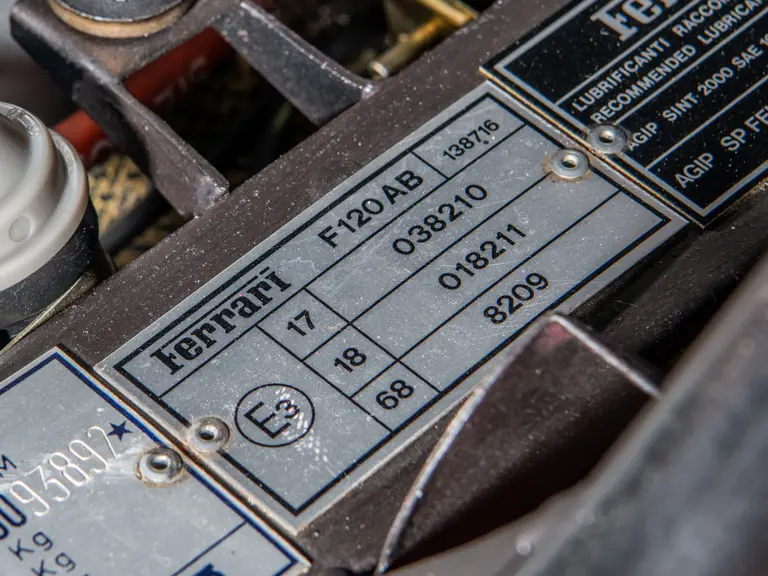
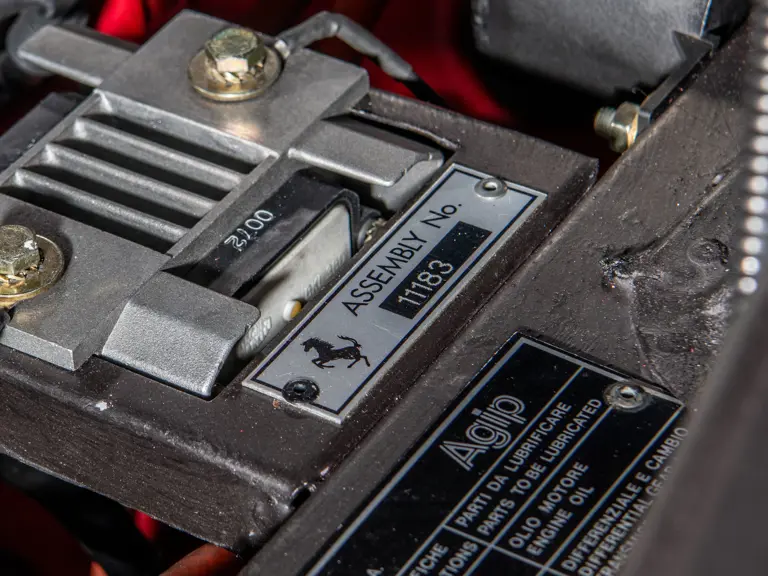
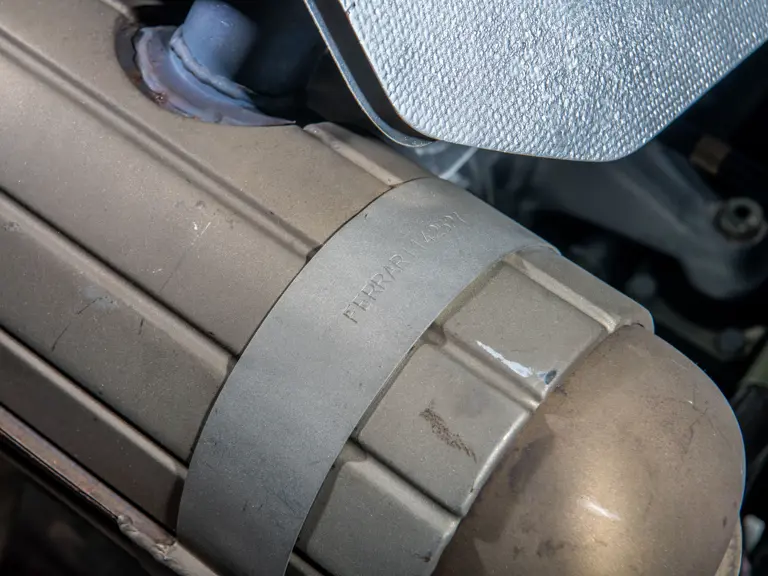
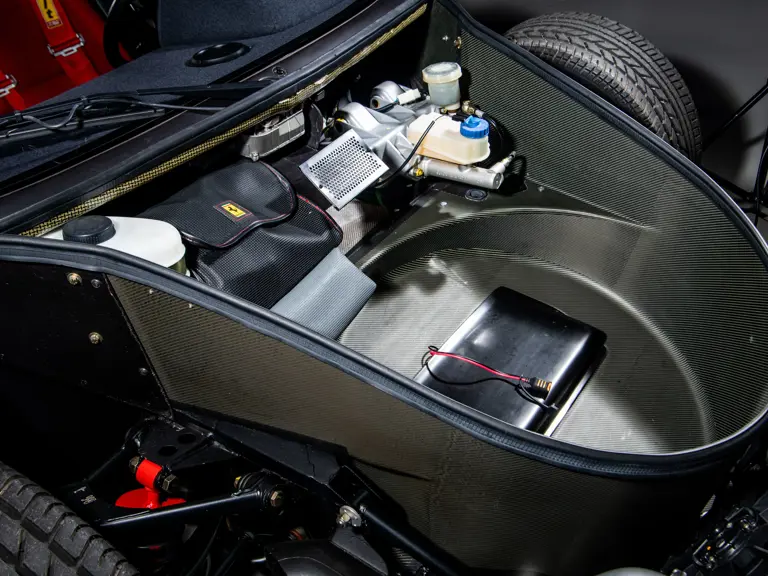
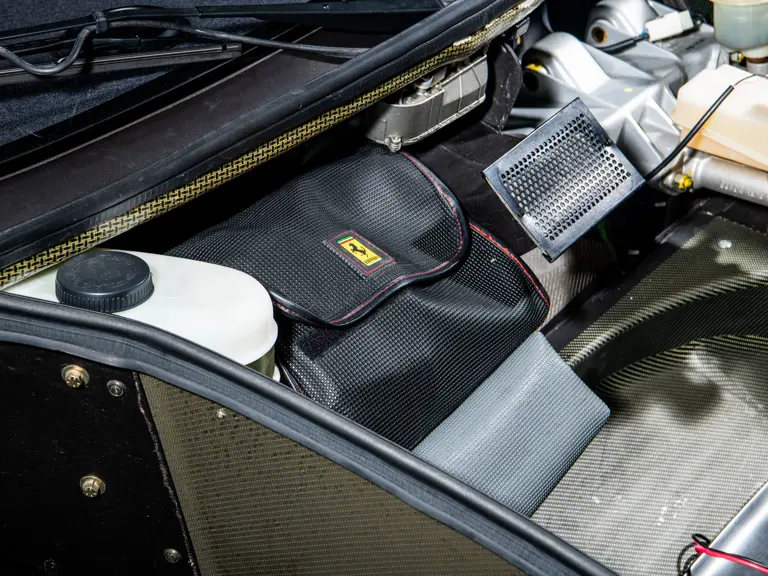
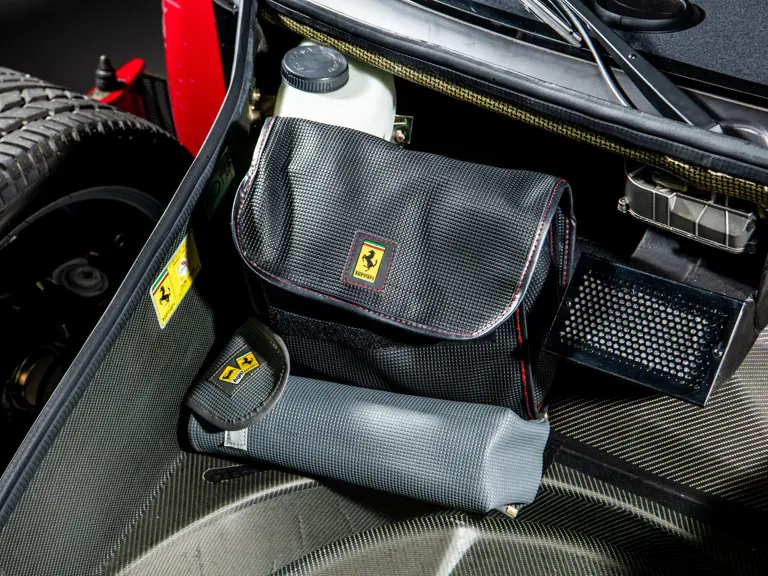
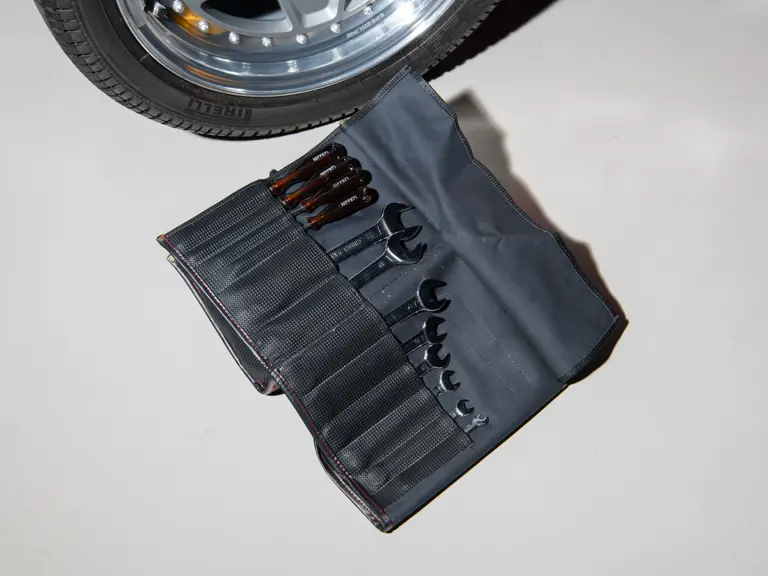
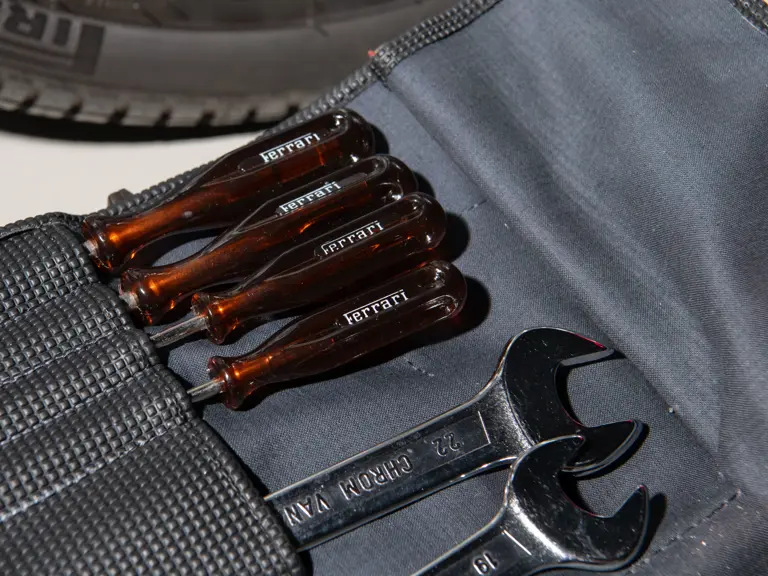
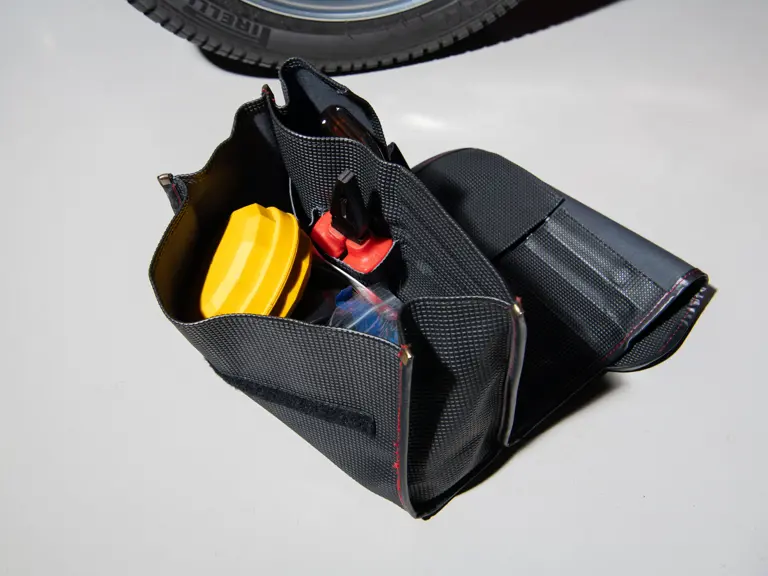
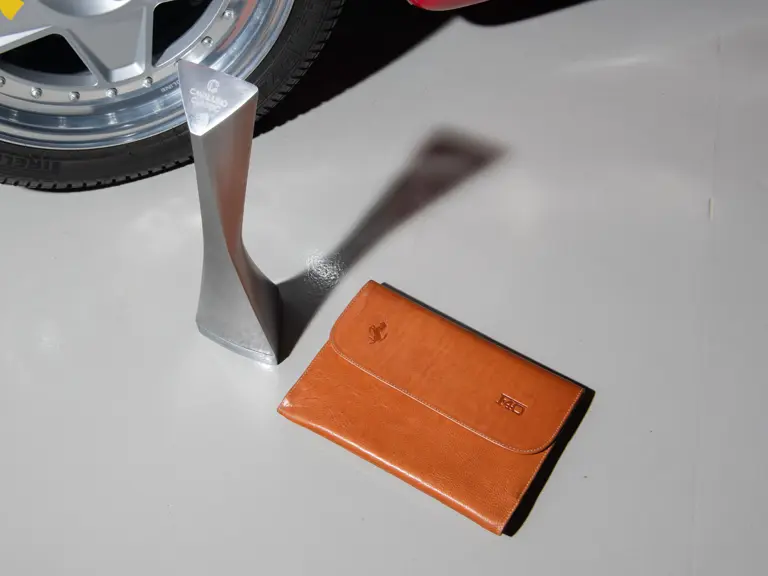
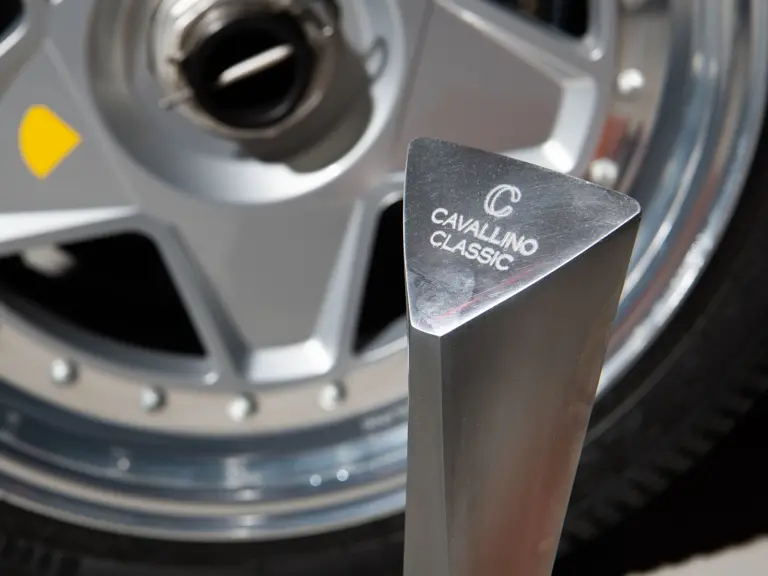
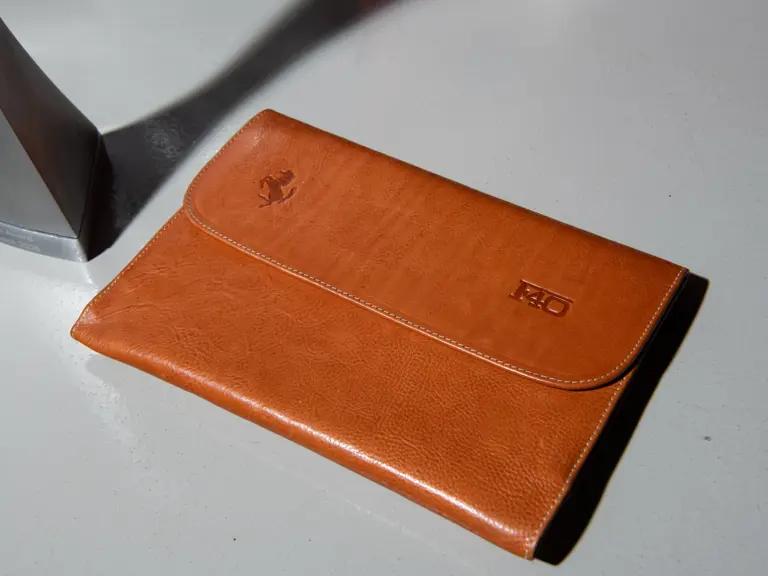
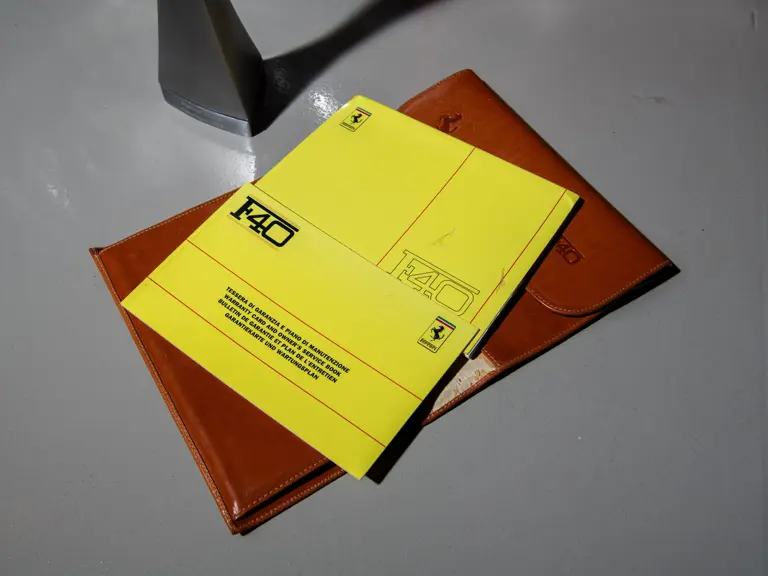
A true hallmark example, its remarkable level of preservation is evident throughout, from what are reported to be its factory-installed Pirelli P-Zero tires to the abundance of factory witness markings, body numbers, and exposed carbon fiber. This F40 desirably retains its numbers-matching chassis, engine, gearbox, and body. Further testifying to its outstanding condition, chassis 93892 was honored with the Cavallino Platinum Award at the 2025 Palm Beach Cavallino Classic. The car underwent a comprehensive multi-point inspection in February 2026 at Porsche Nashua in New Hampshire, a copy of which is available for review on file. Recently, this F40 has been submitted for Ferrari Classiche certification through Ferrari of Naples. It is accompanied by owner’s books with Schedoni leather pouch, its original warranty and service manual, tool roll, spare belts, and an Agip tire inflator kit.
Approximately 1,315 examples of Ferrari’s 40th anniversary masterpiece were ultimately built—surpassing original expectations but never diminishing the car’s mystique. While it remains a darling of the collector car world, the F40’s significance extends far beyond market value. In an age of refinement, it is raw; in a world of excess, it is pure intent. And in any serious collection, it stands not as an accessory, but as a cornerstone.
 | Miami, Florida